
Museo virtual del Diplomado en Formación de Formadores en Patrimonio Vivo, Cuerpo y Construcción de Paz
Cuerpos para la Reconciliación + Universidad Nacional Abierta y a Distancia (UNAD)
Cuerpos para la Reconciliación
Memorias, territorios y saberes para la paz
Lanzamiento del museo virtual en el marco del Día Internacional del Patrimonio Cultural Inmaterial · Octubre de 2026
Seis salas reúnen las huellas de un proceso colectivo para reconocer, escuchar, documentar y cuidar el patrimonio vivo desde el cuerpo y los territorios.
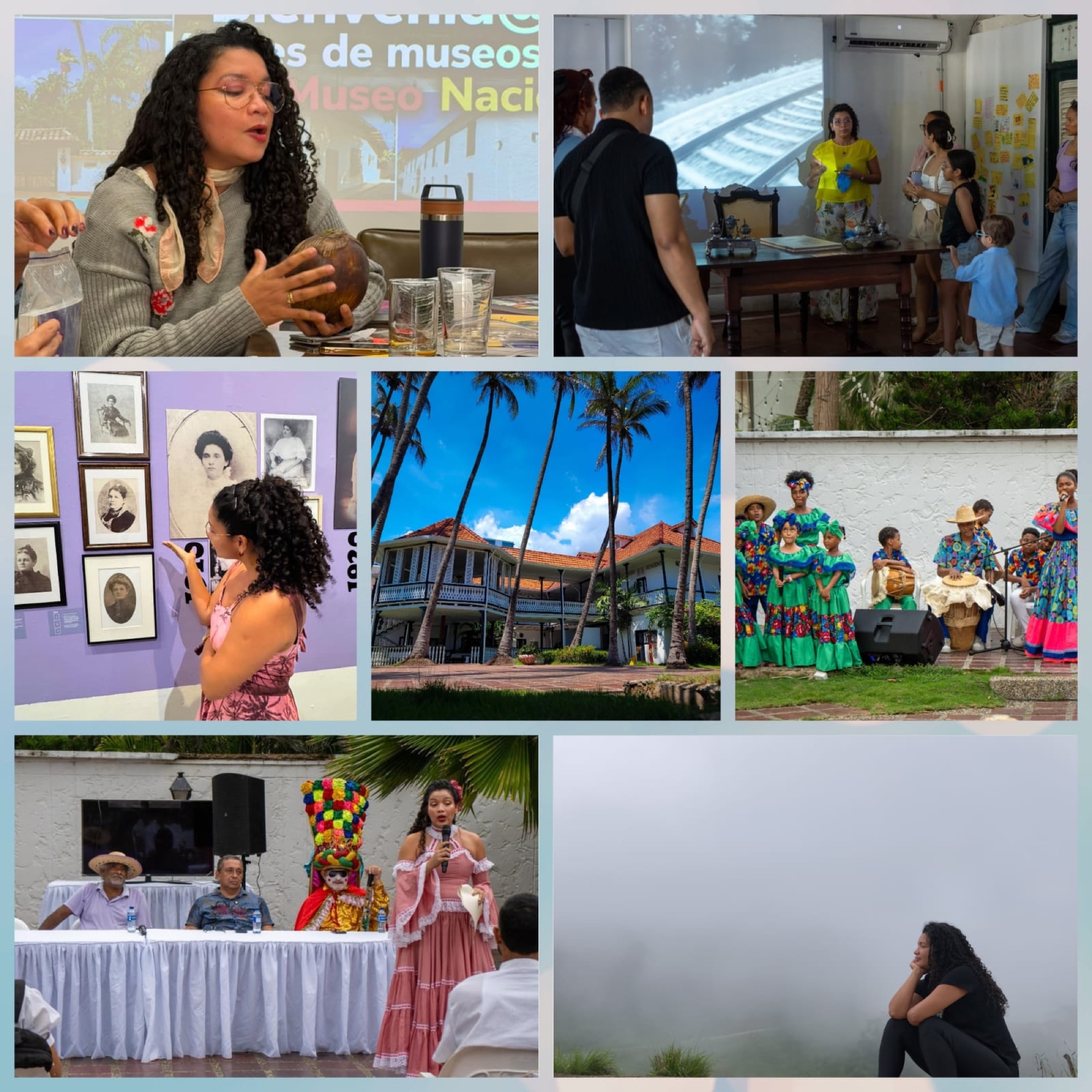
Recorrido ↓Cuerpos para la Reconciliación: memorias, territorios y saberes para la paz reúne las experiencias, reflexiones y creaciones desarrolladas durante el Diplomado en Formación de Formadores en Patrimonio Vivo, Cuerpo y Construcción de Paz, realizado por Cuerpos para la Reconciliación en alianza con la Universidad Nacional Abierta y a Distancia (UNAD).
A lo largo de 17 sesiones, participantes procedentes de distintos territorios exploraron el cuerpo como archivo de memorias, afectos y saberes; reconocieron el patrimonio vivo como una construcción colectiva; y desarrollaron herramientas para su investigación, salvaguardia, mediación y gestión. El proceso también abrió conversaciones sobre interculturalidad, derechos colectivos, diálogo de saberes y formas éticas de documentar y compartir las expresiones culturales.
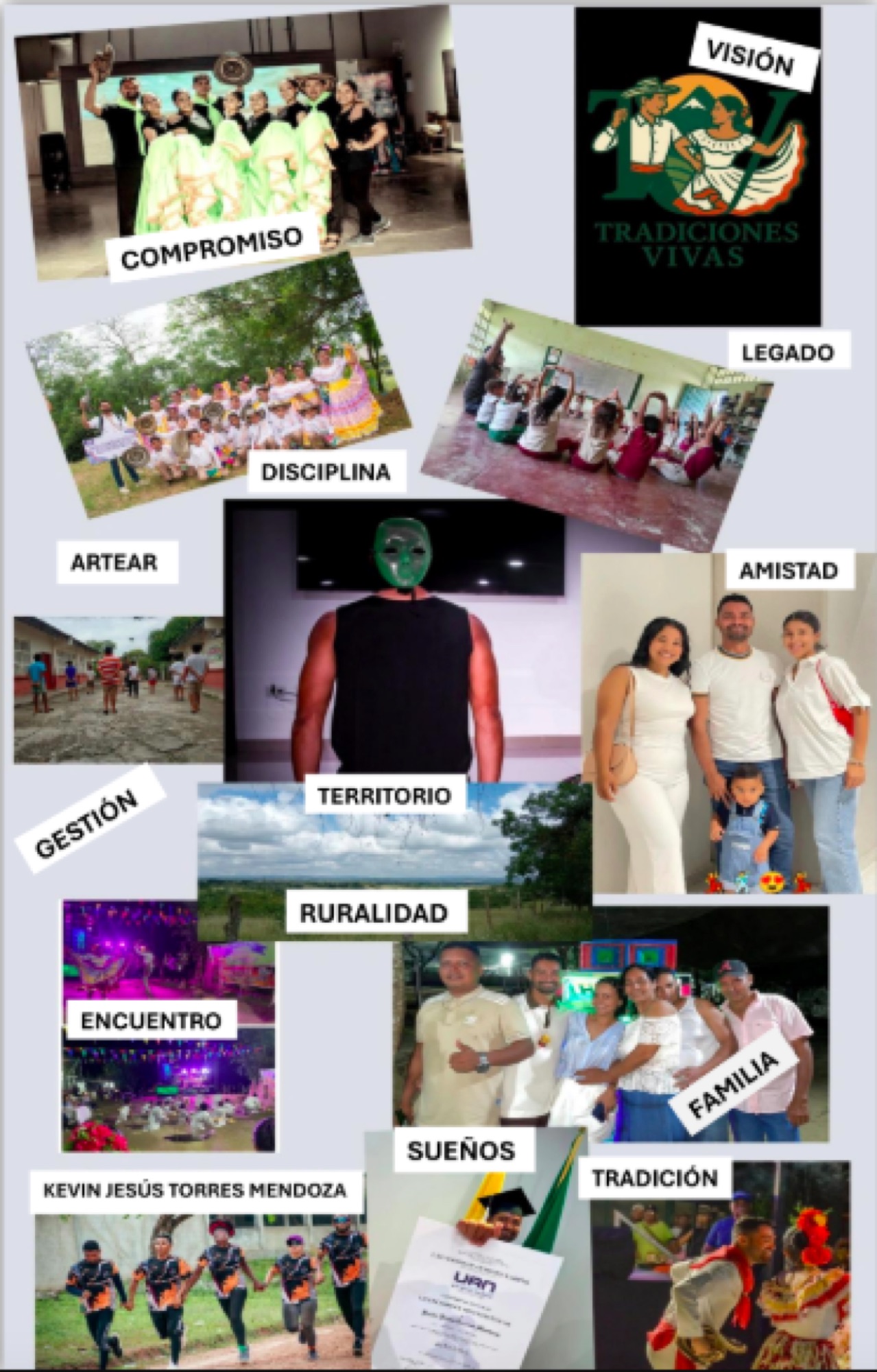
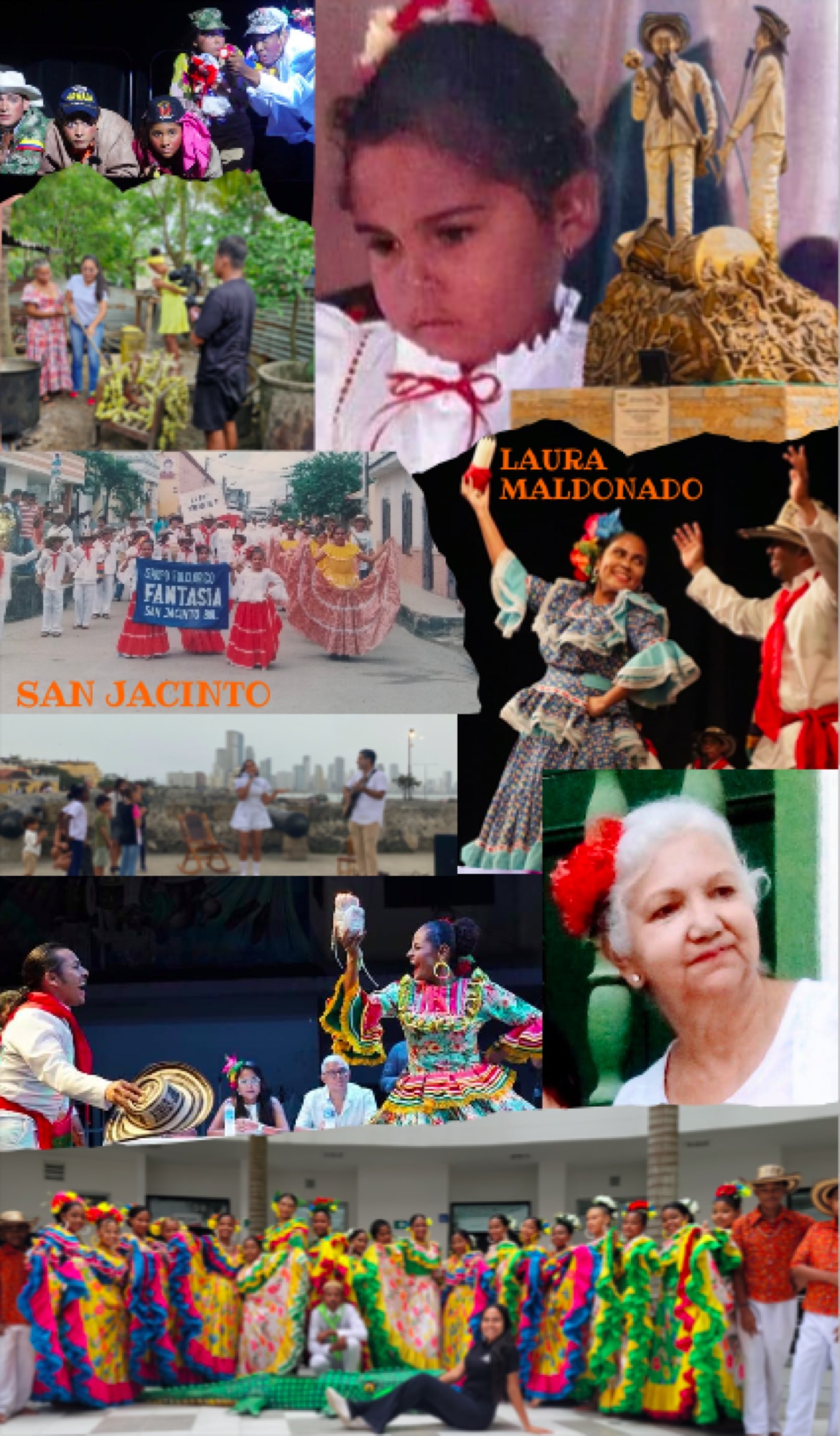
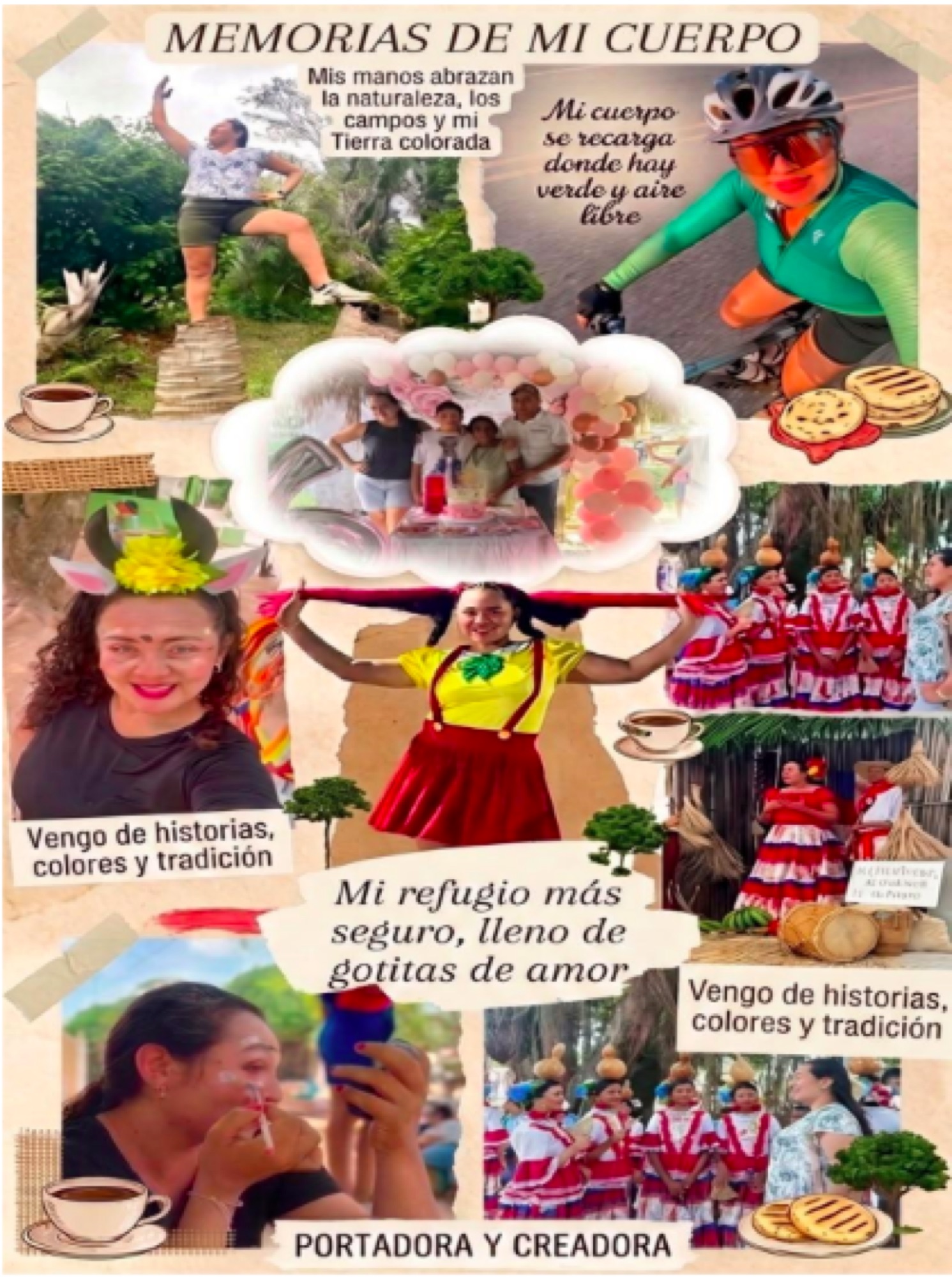
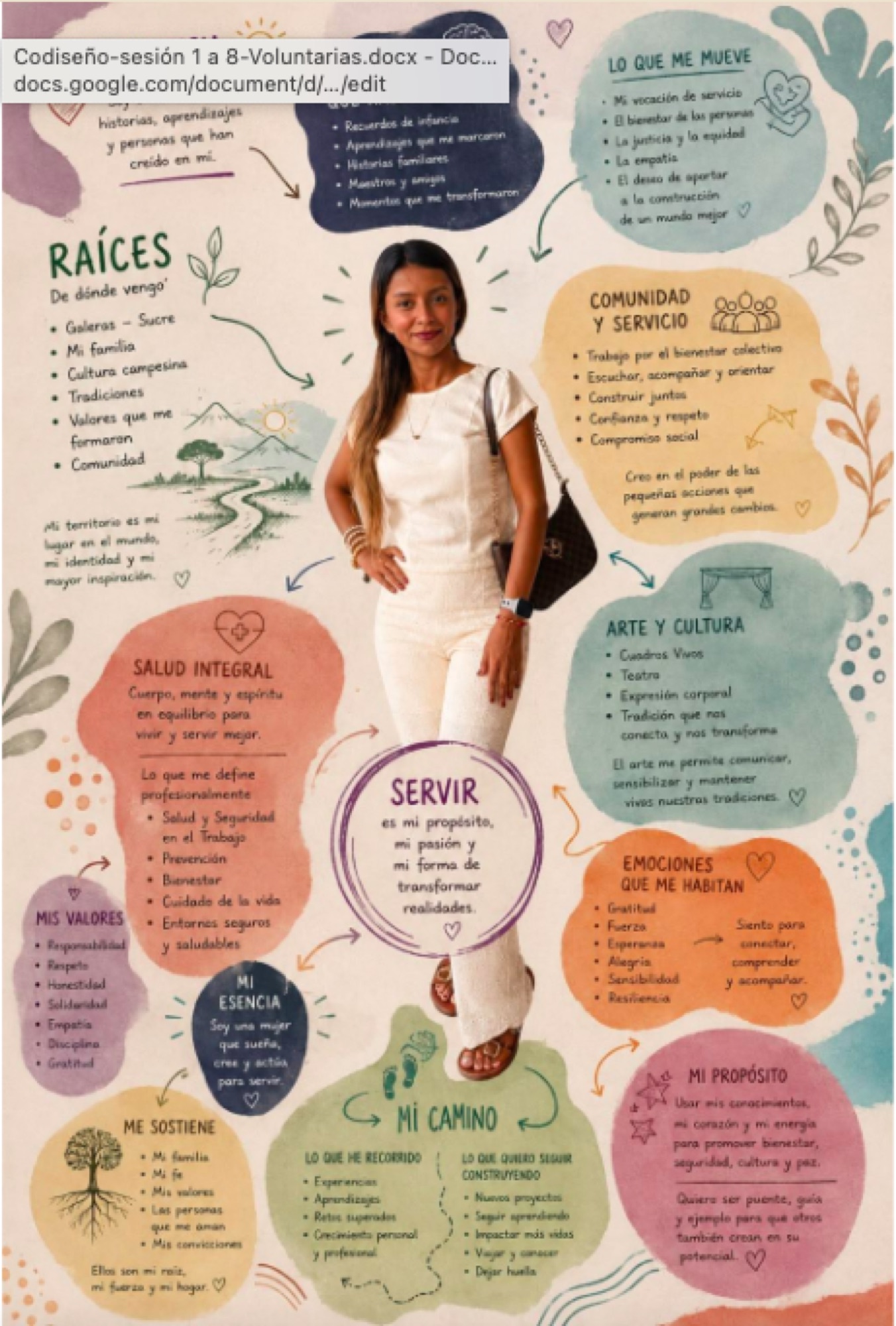
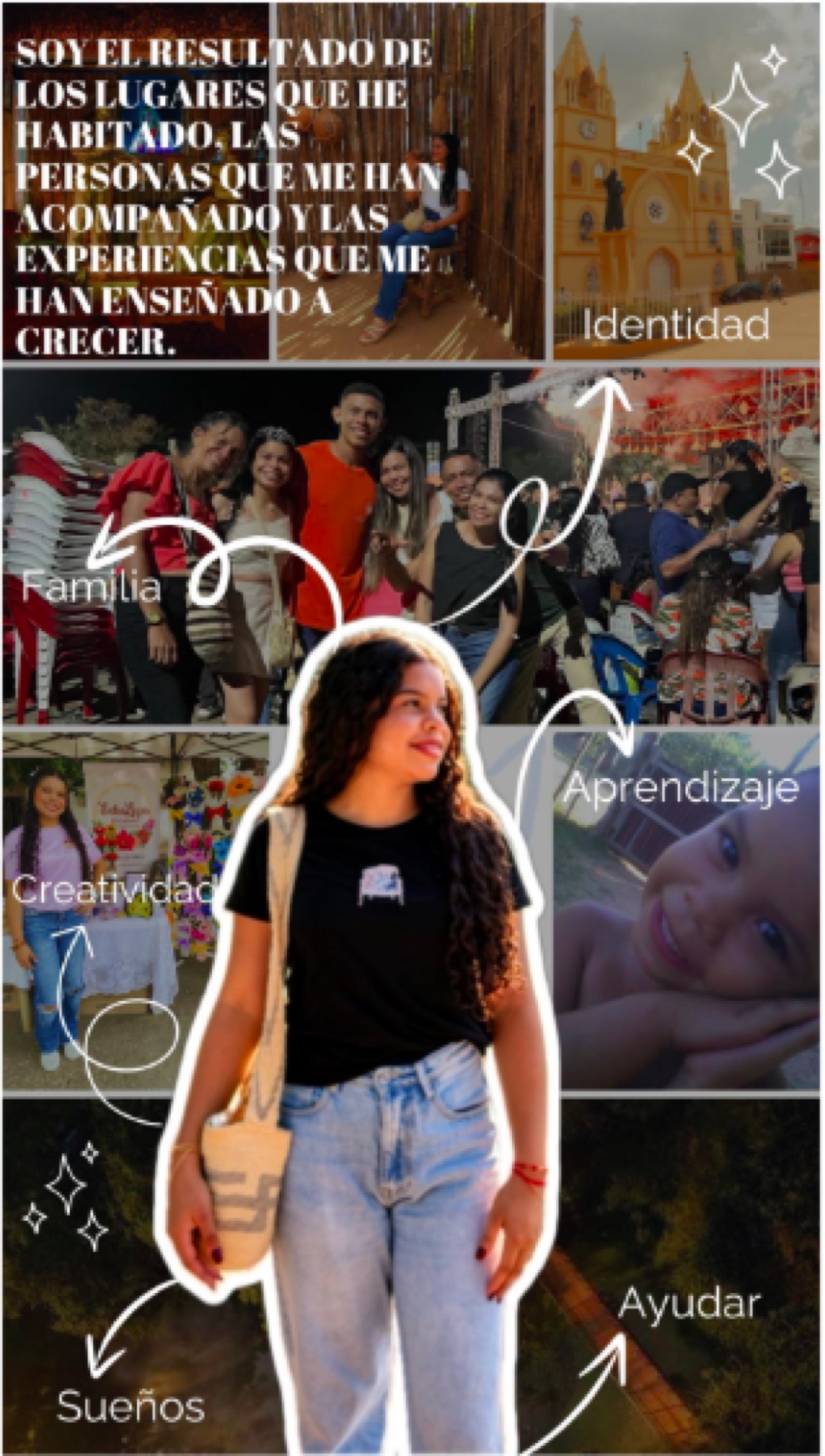
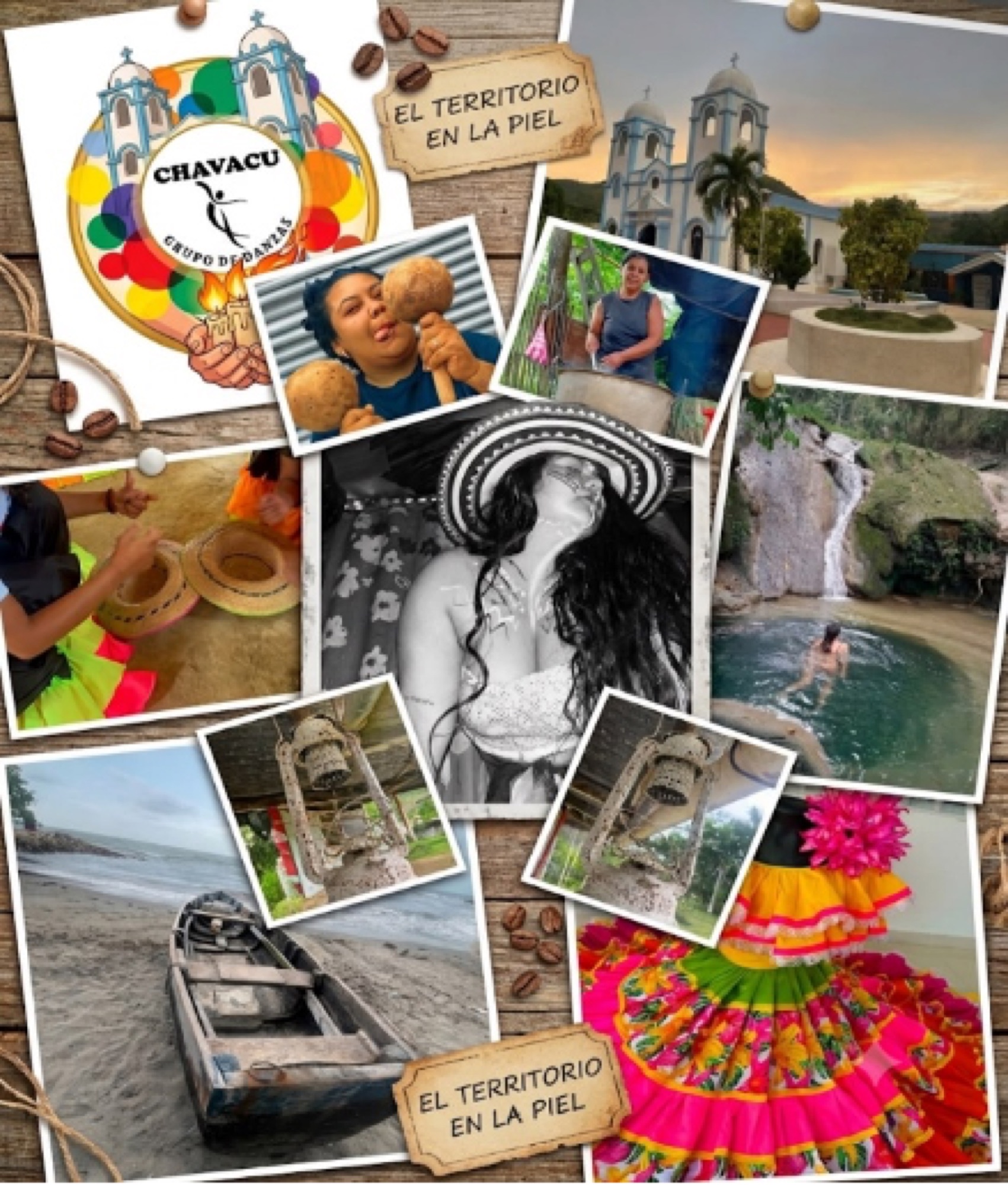
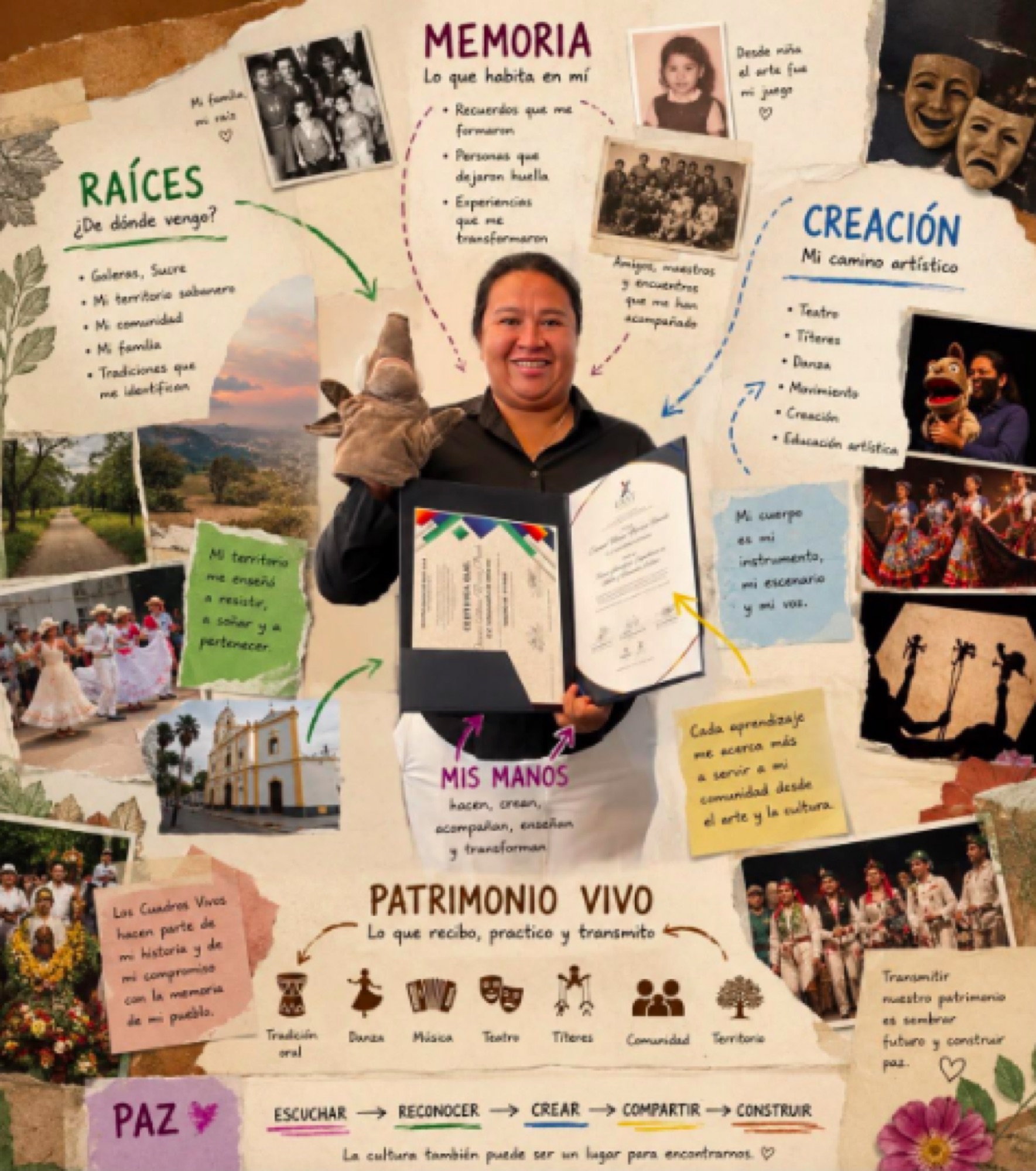
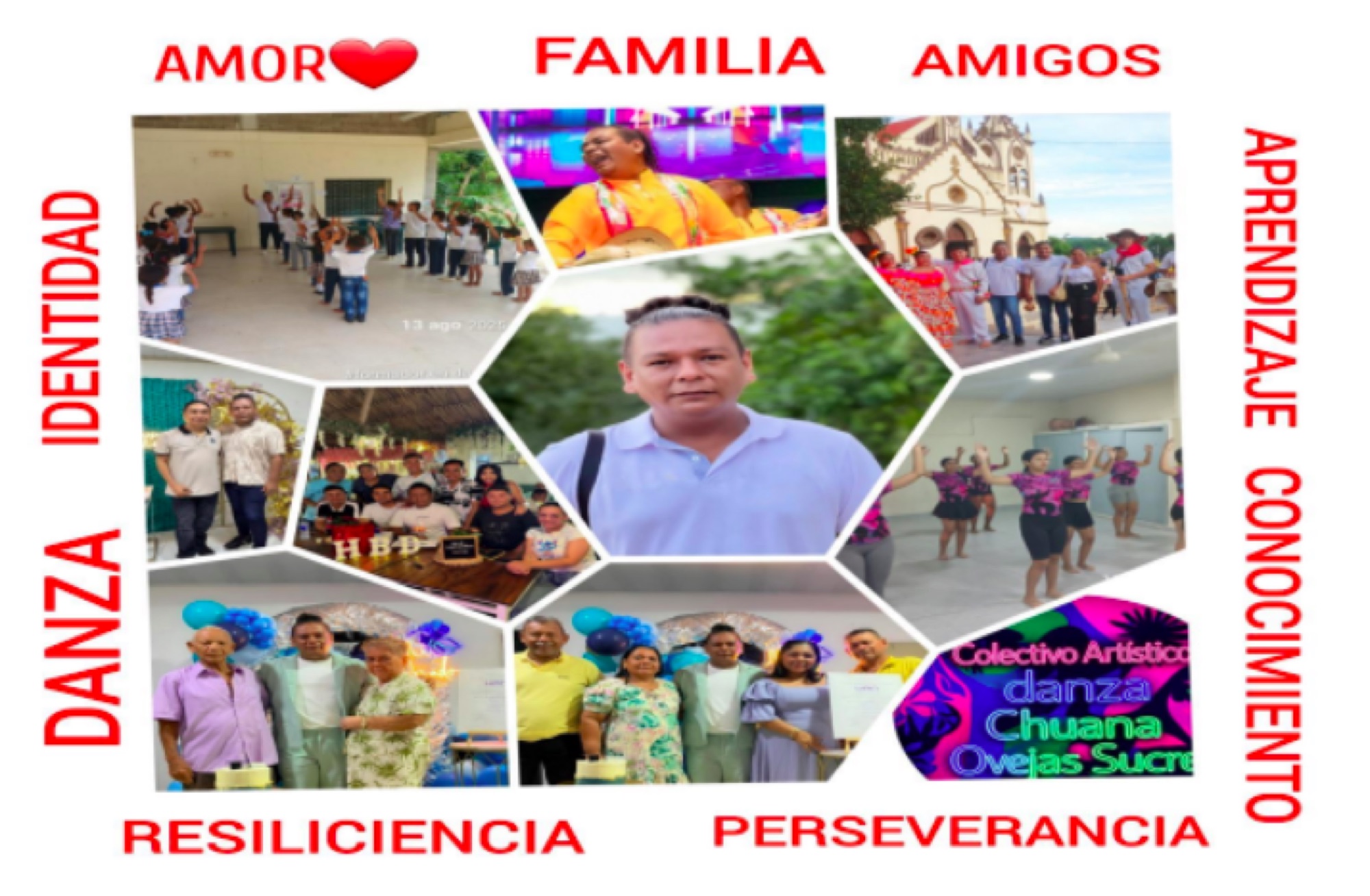
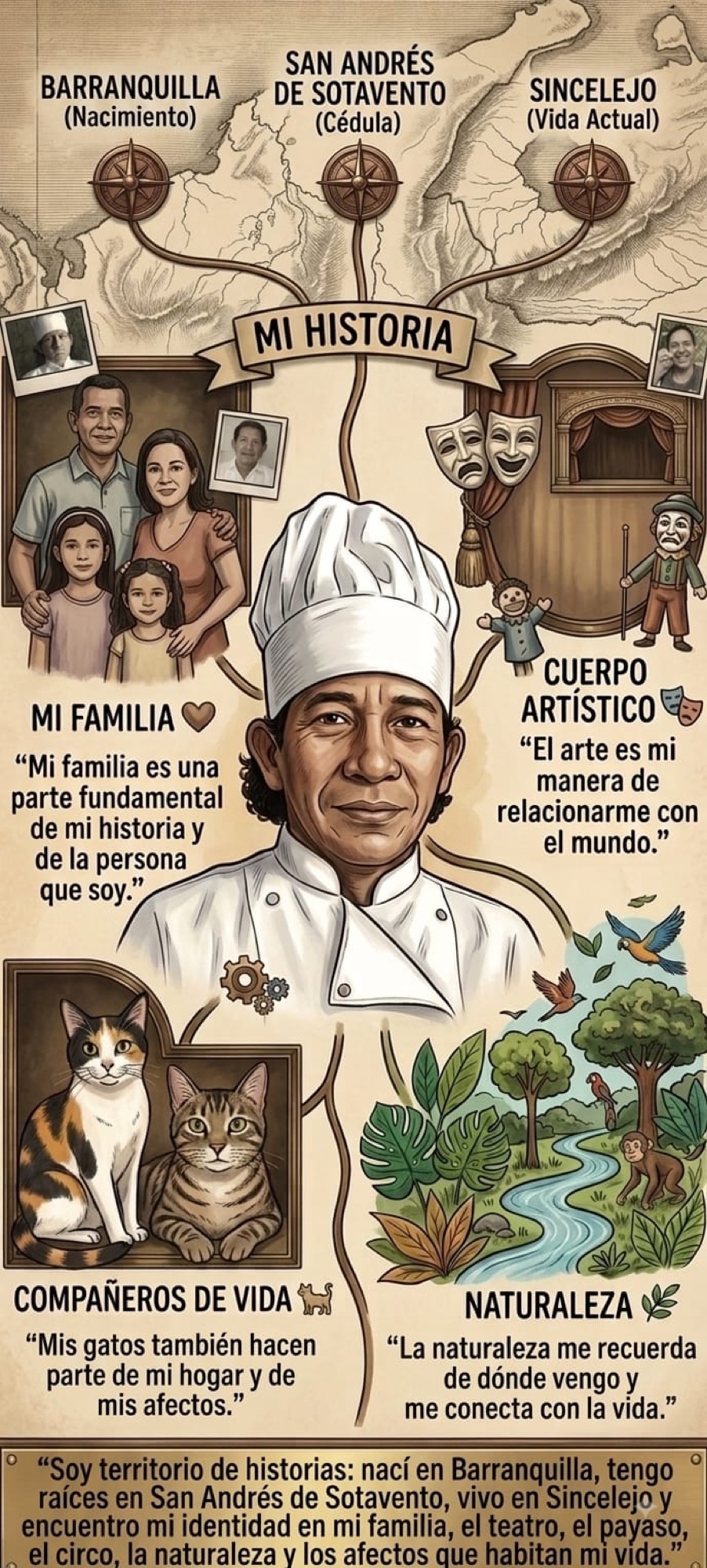
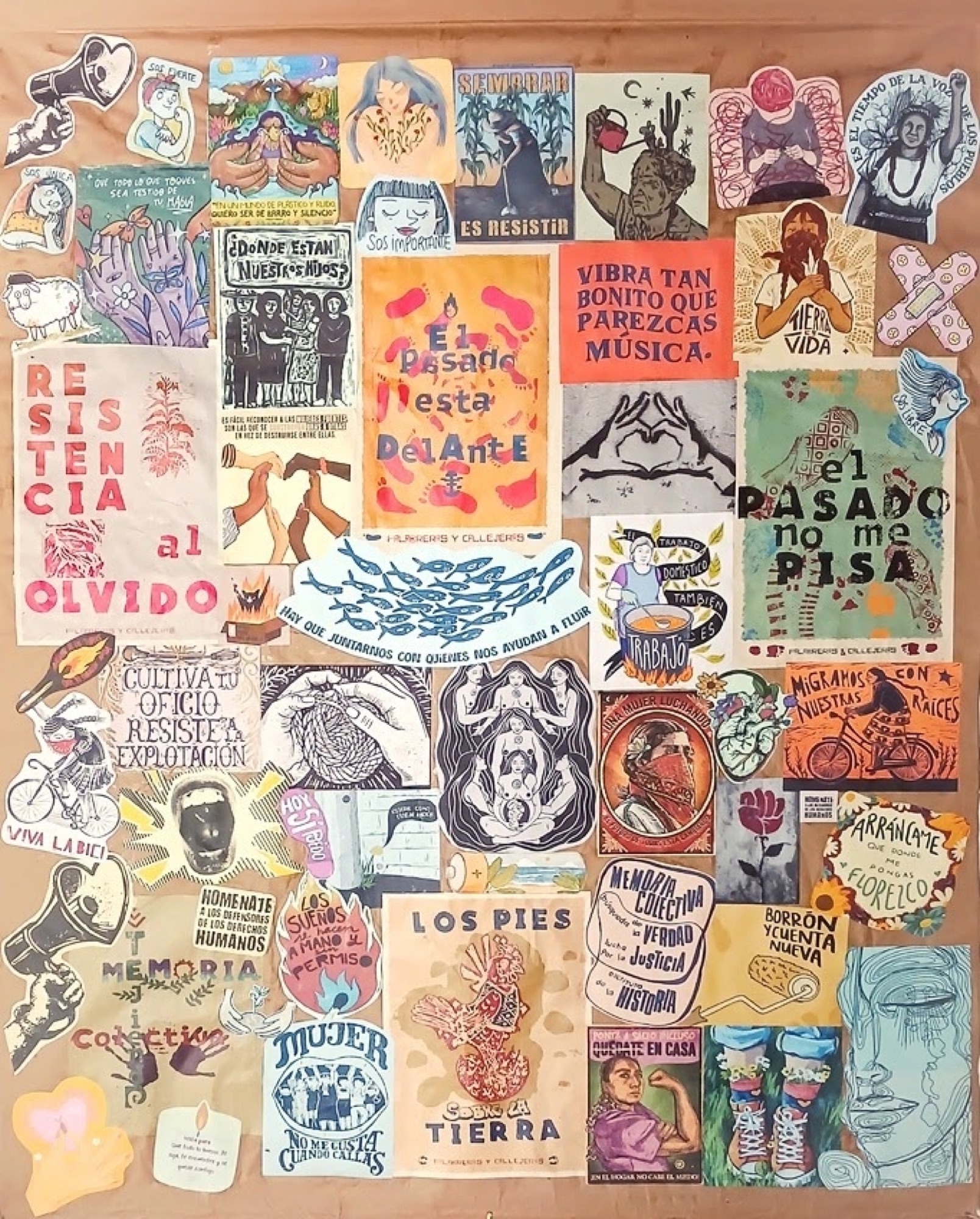
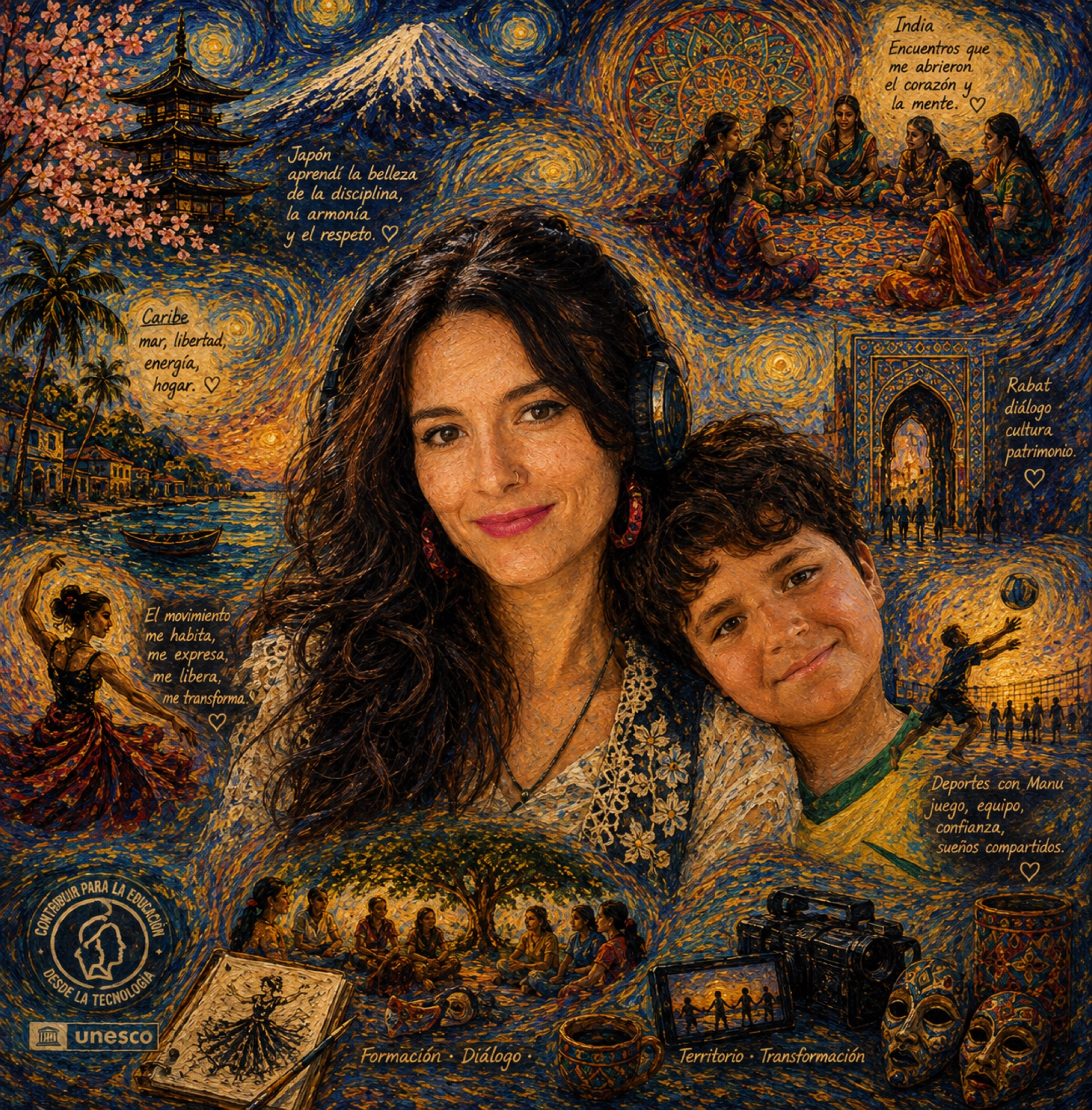
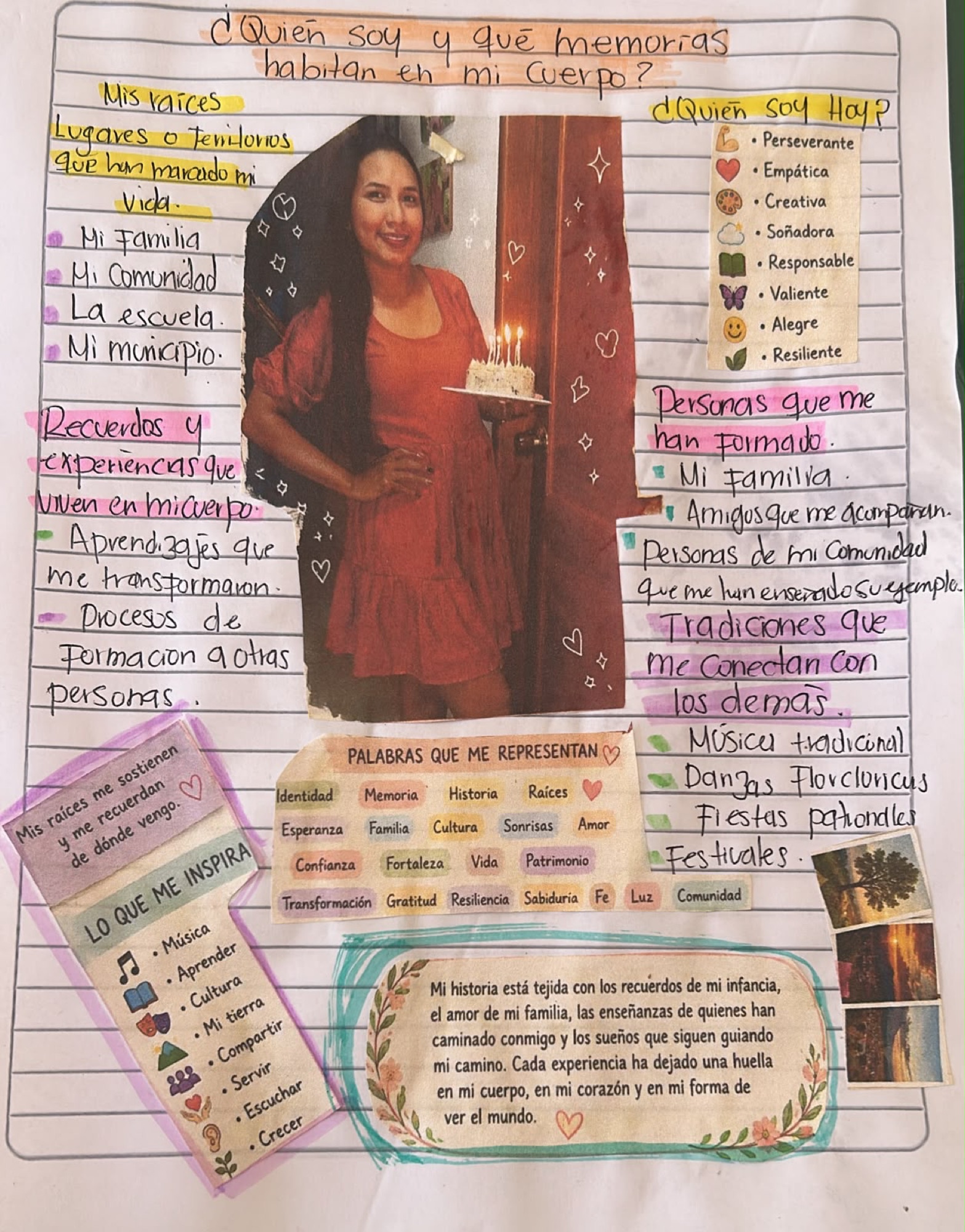
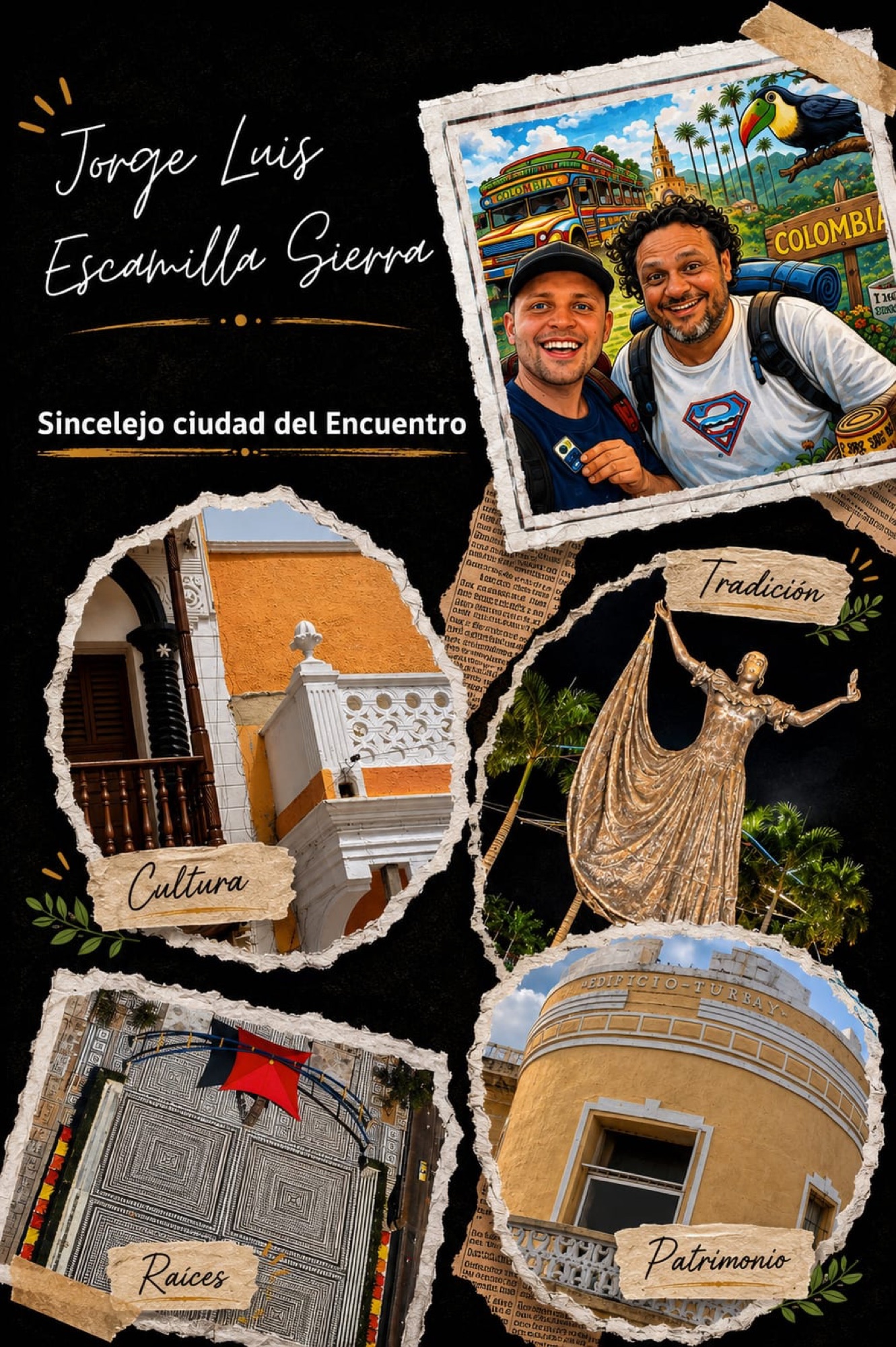
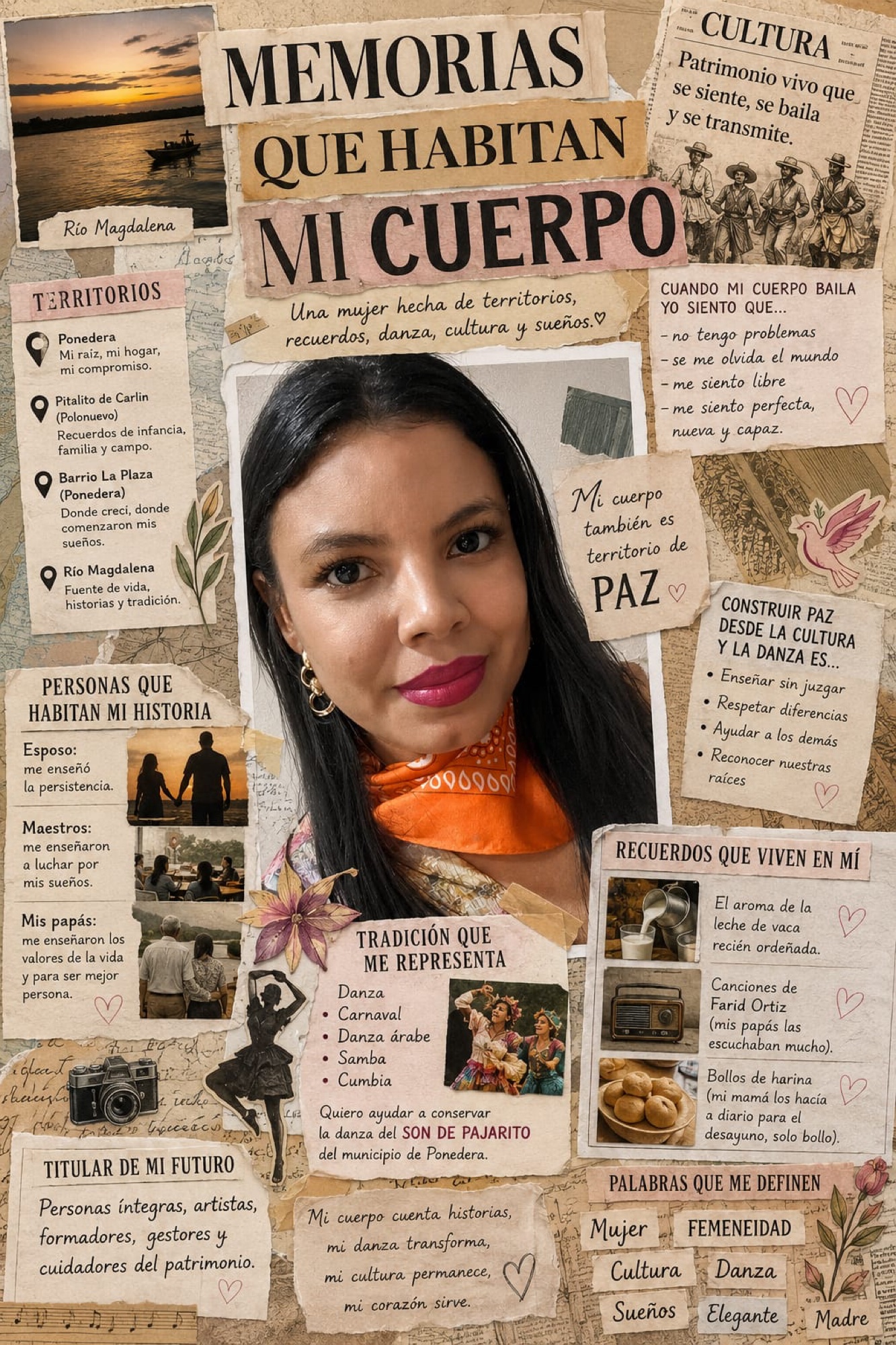
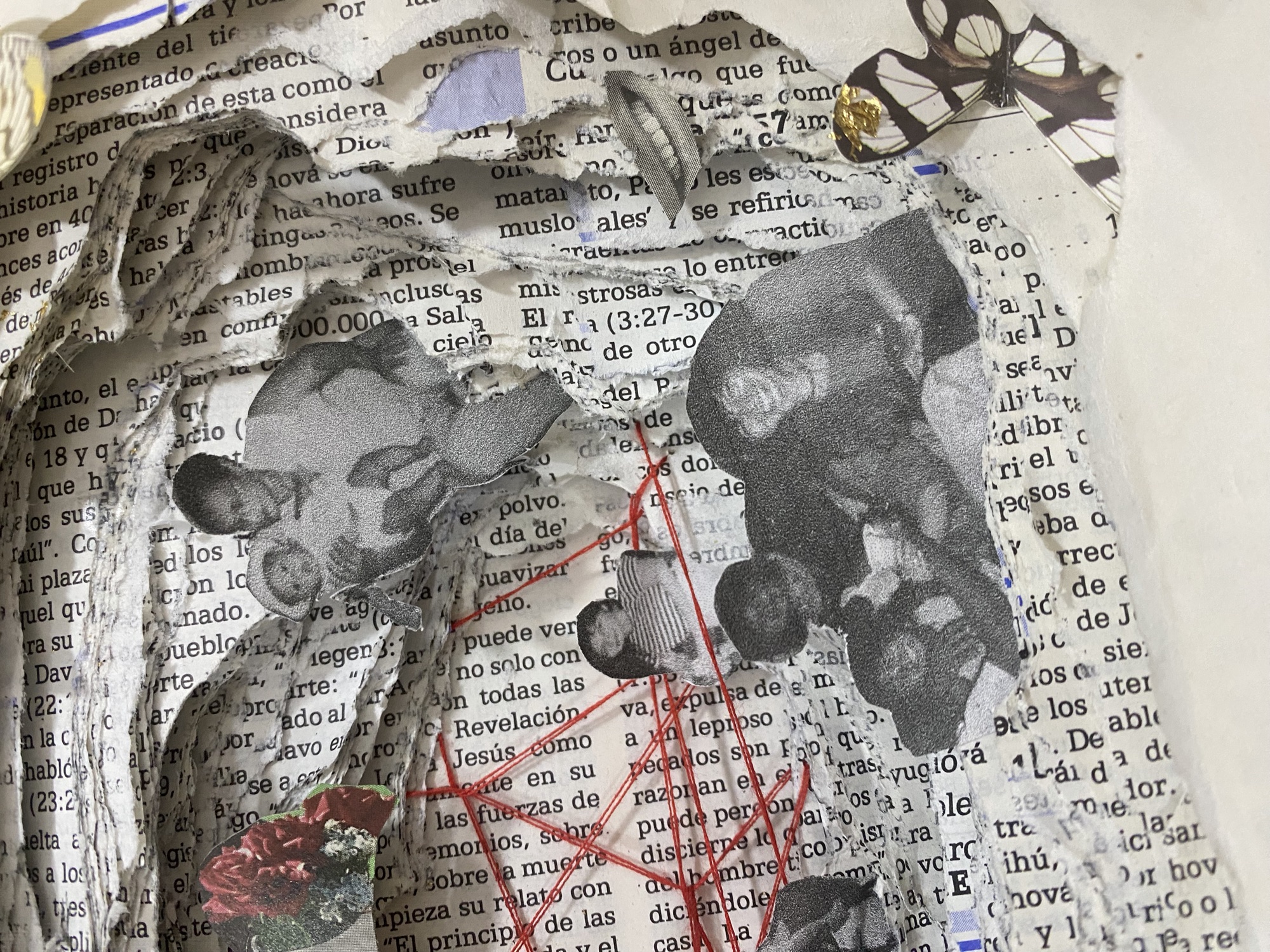
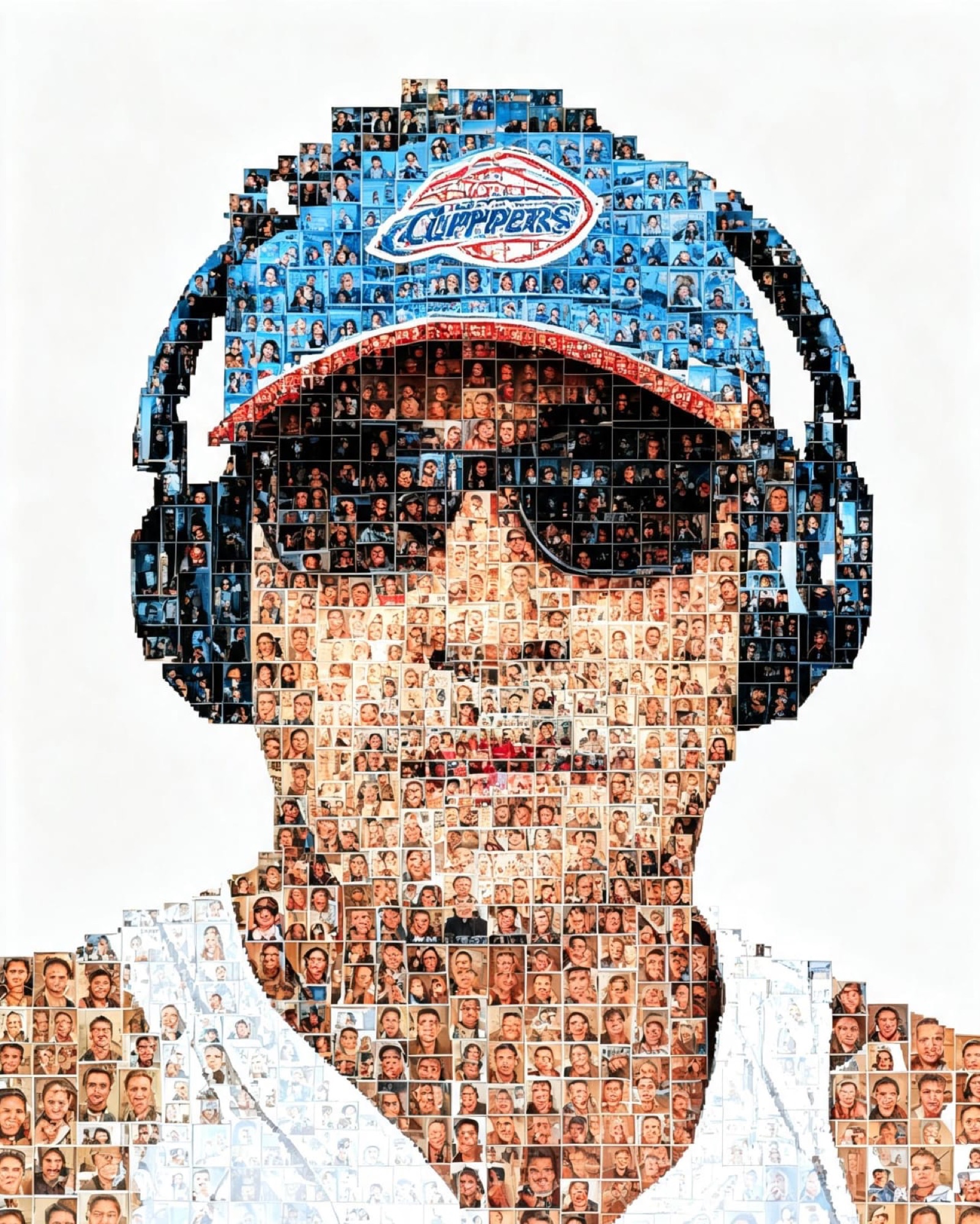
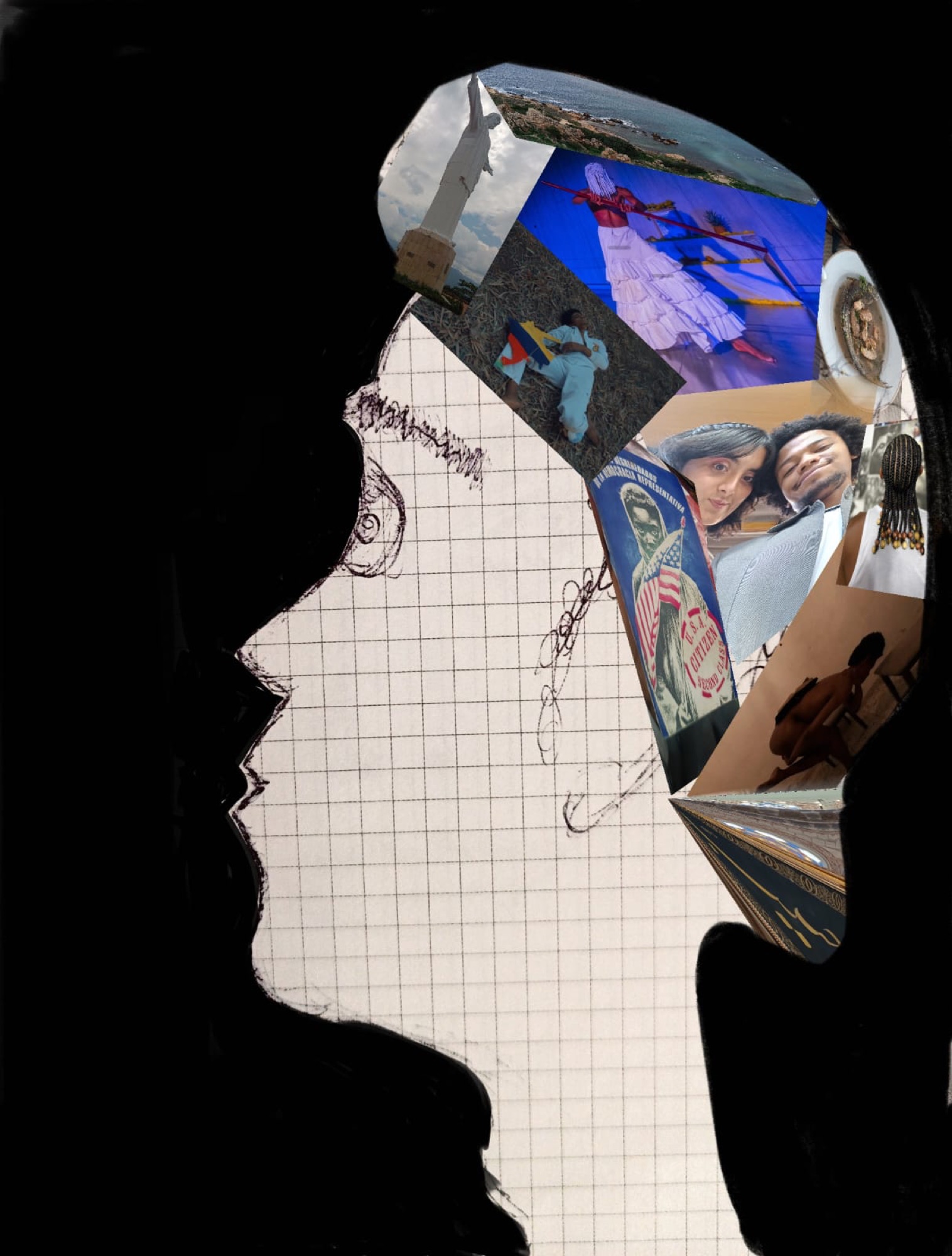
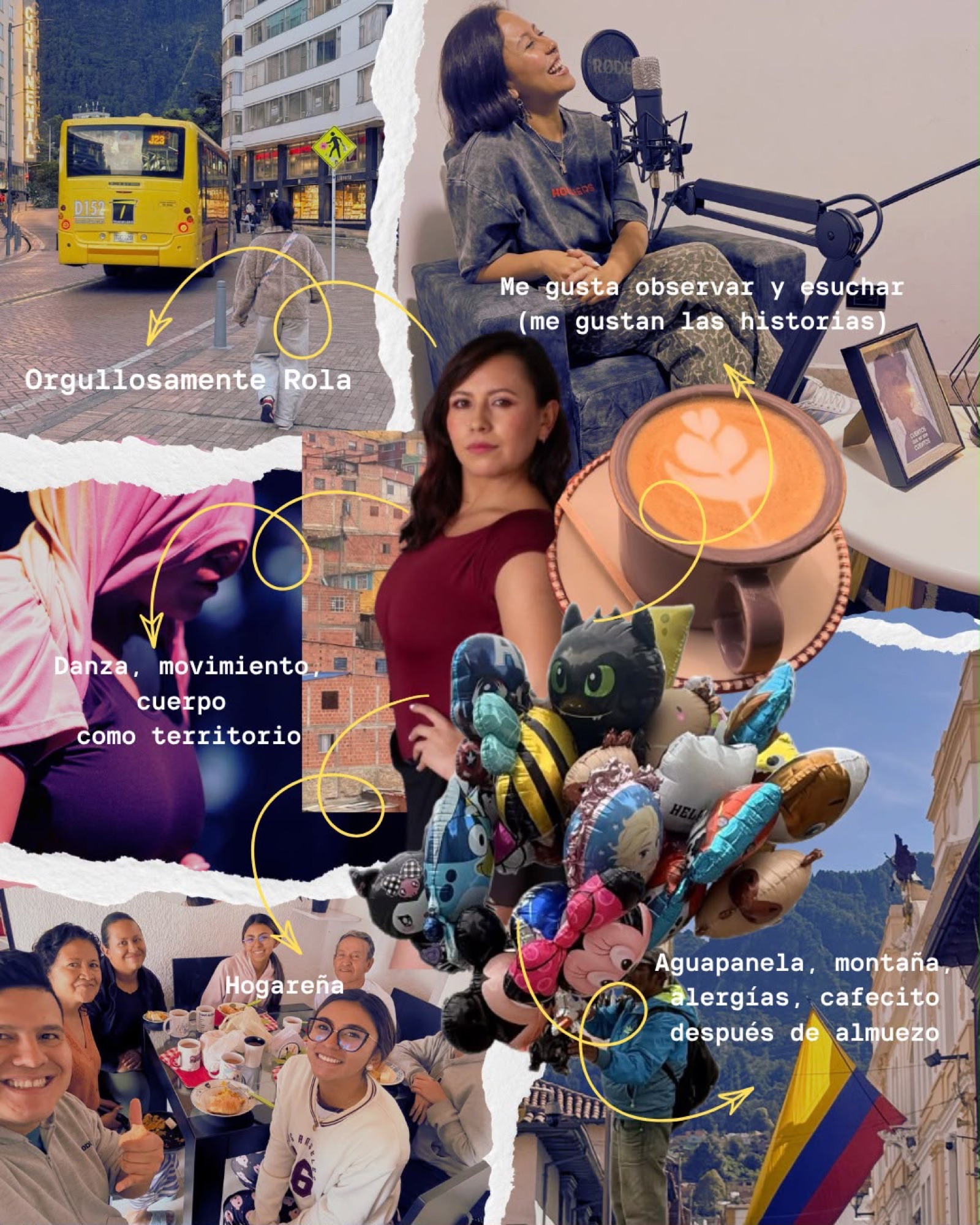
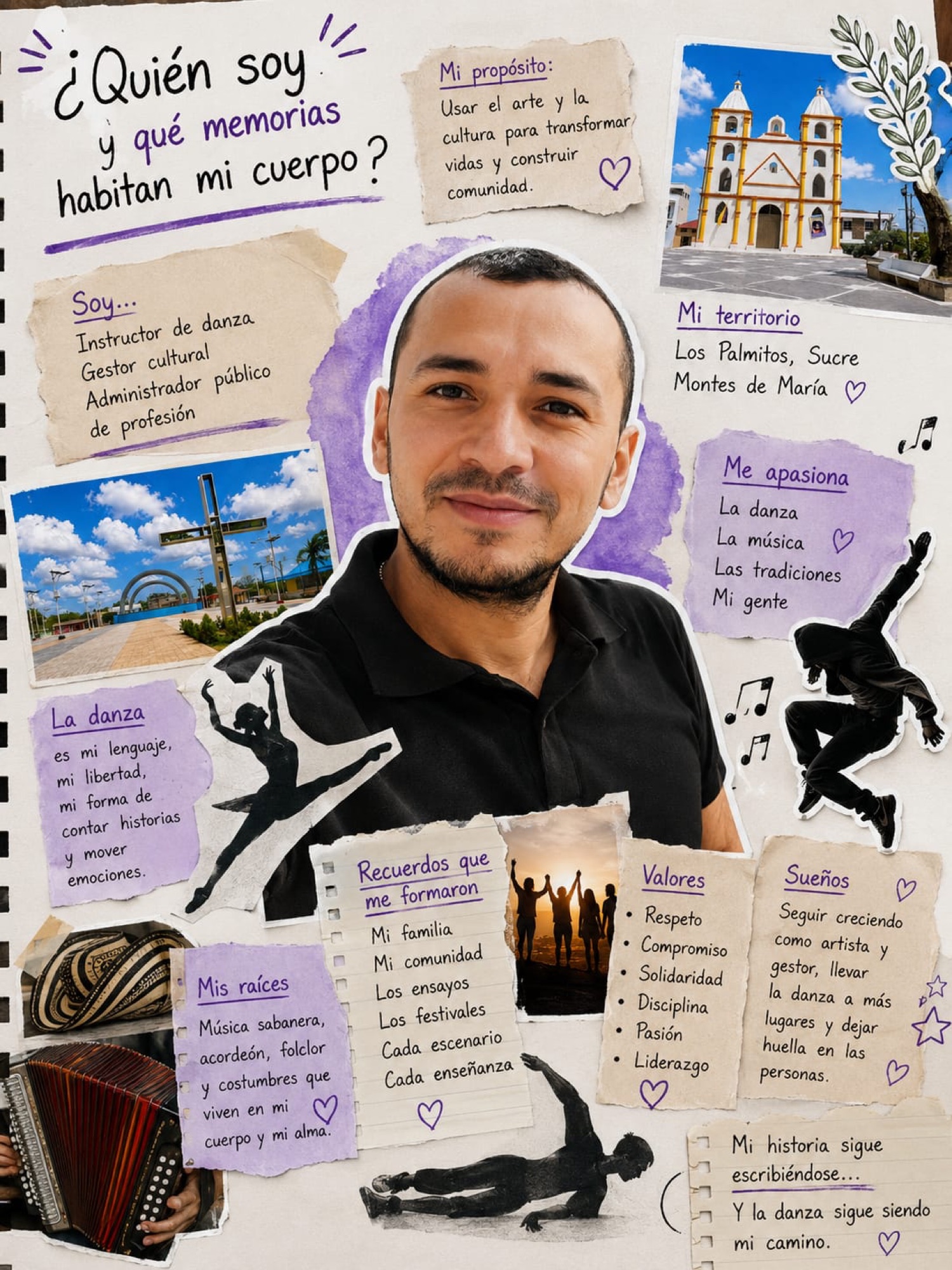
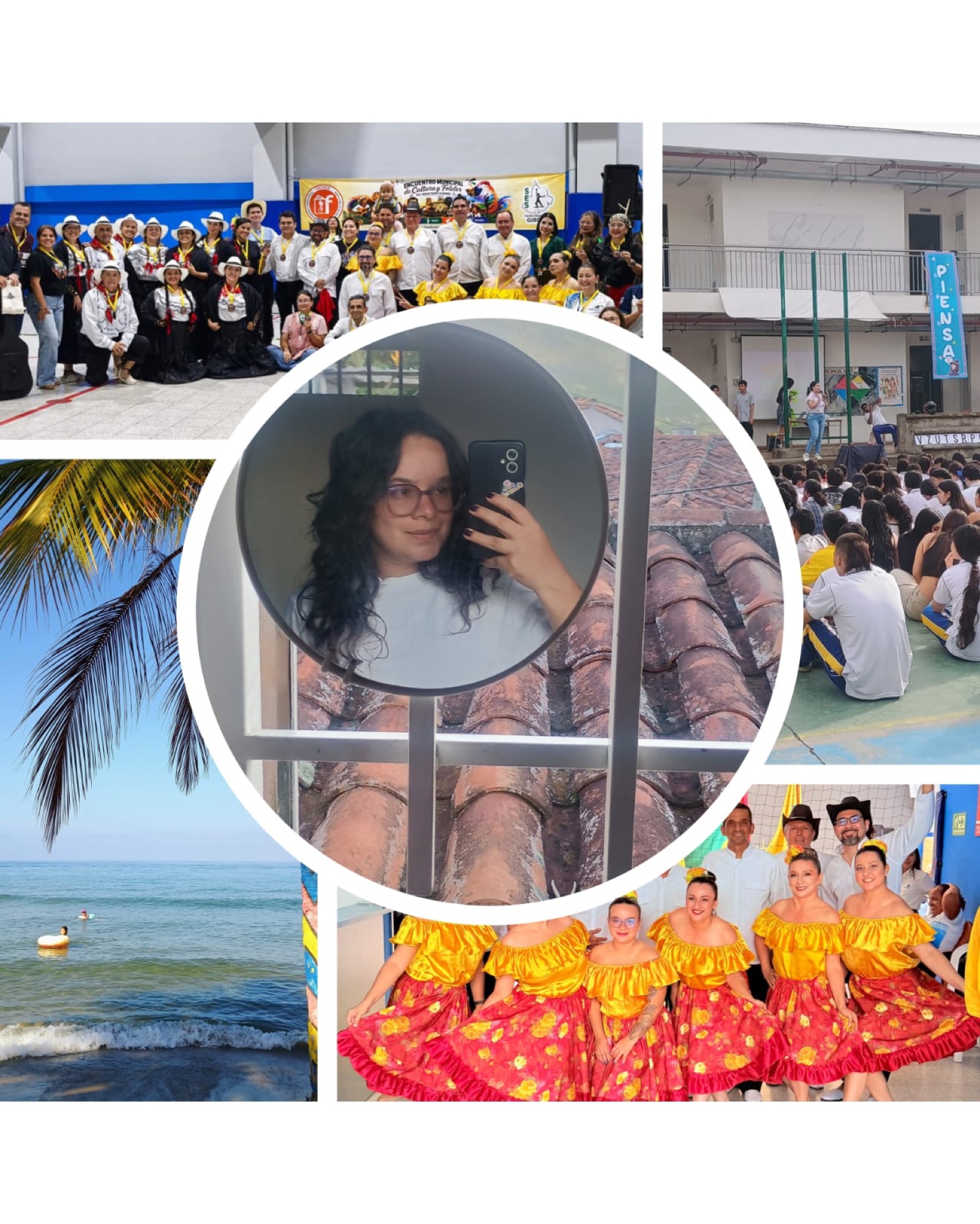
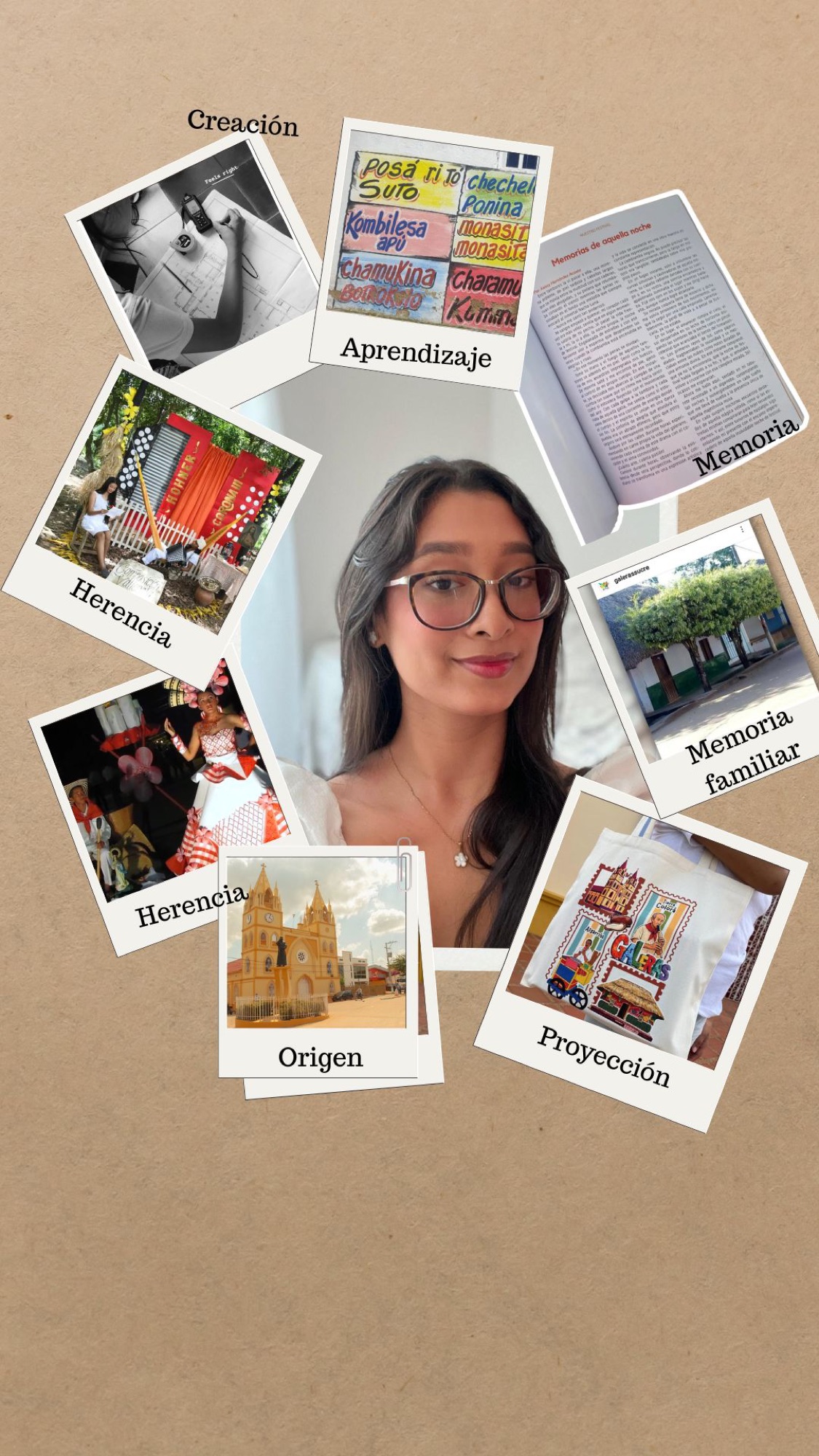
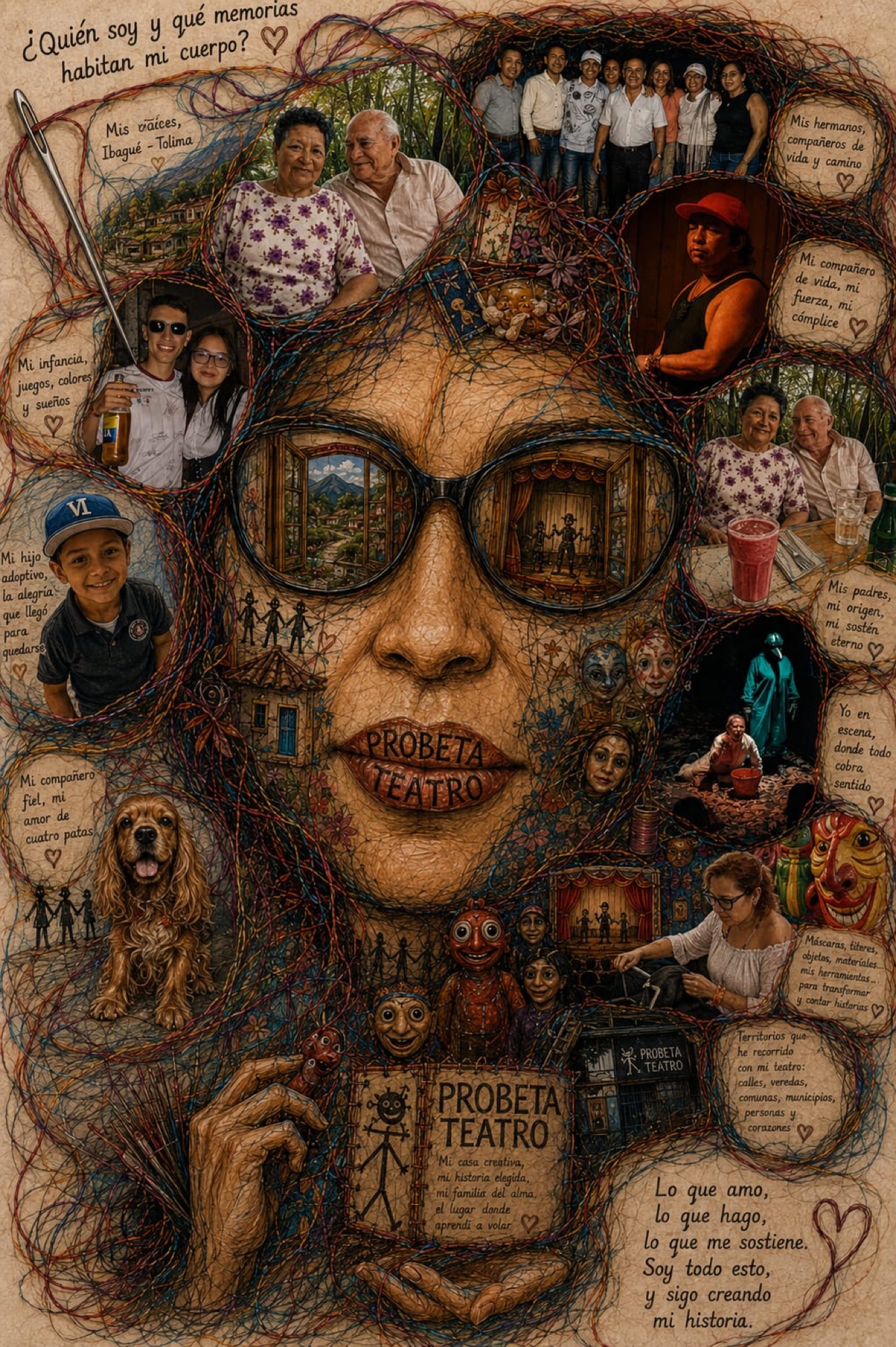
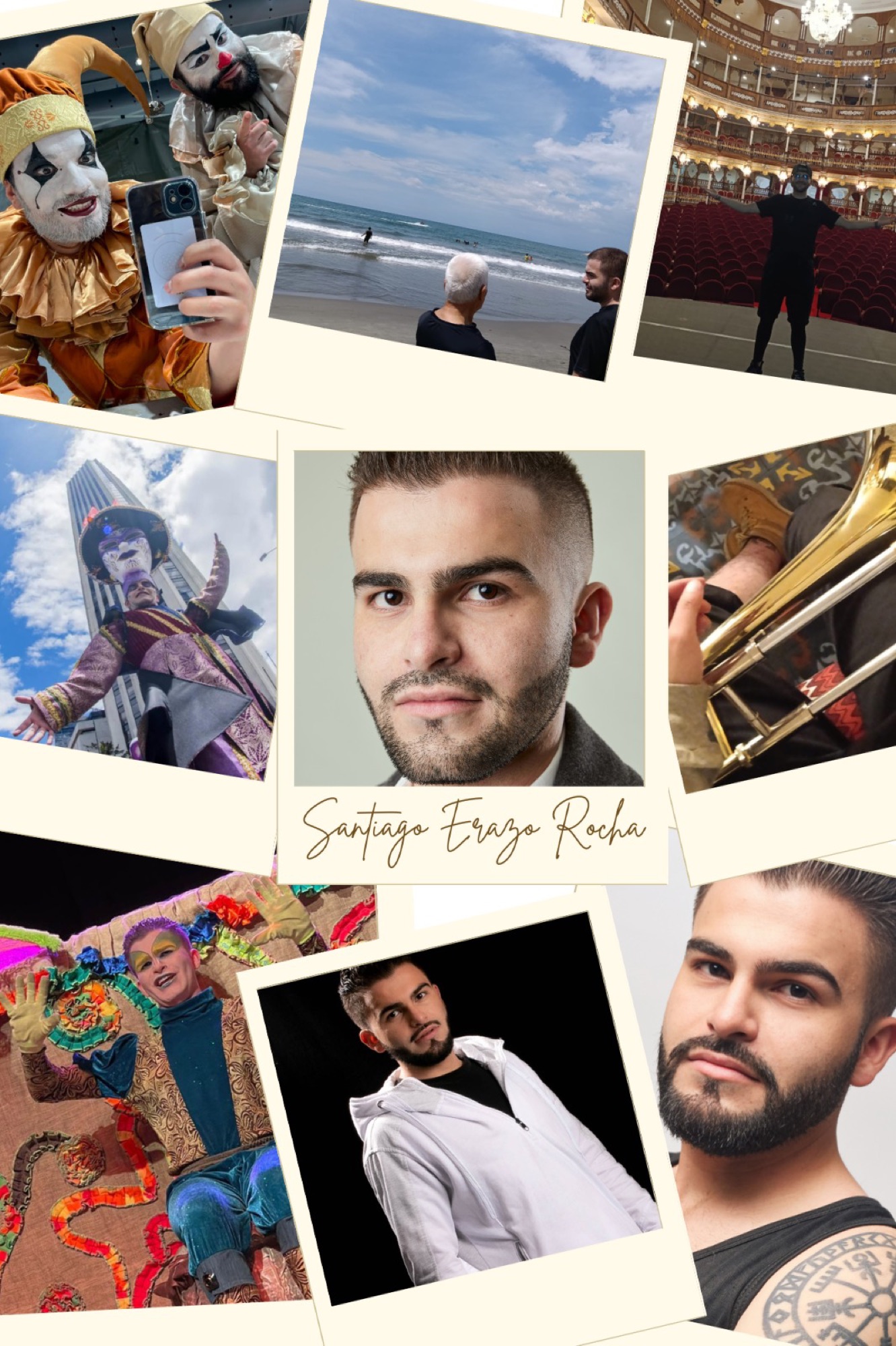
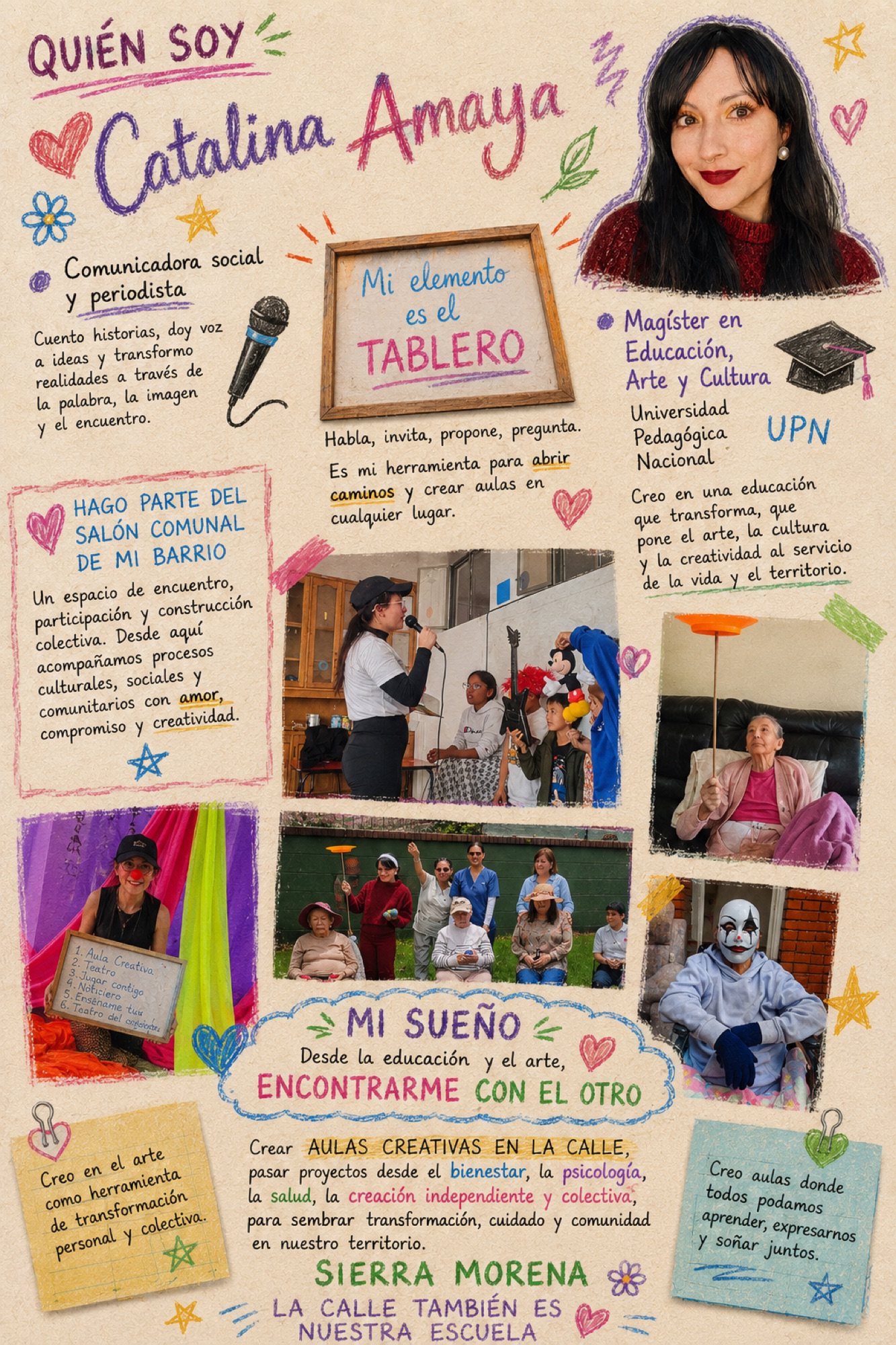
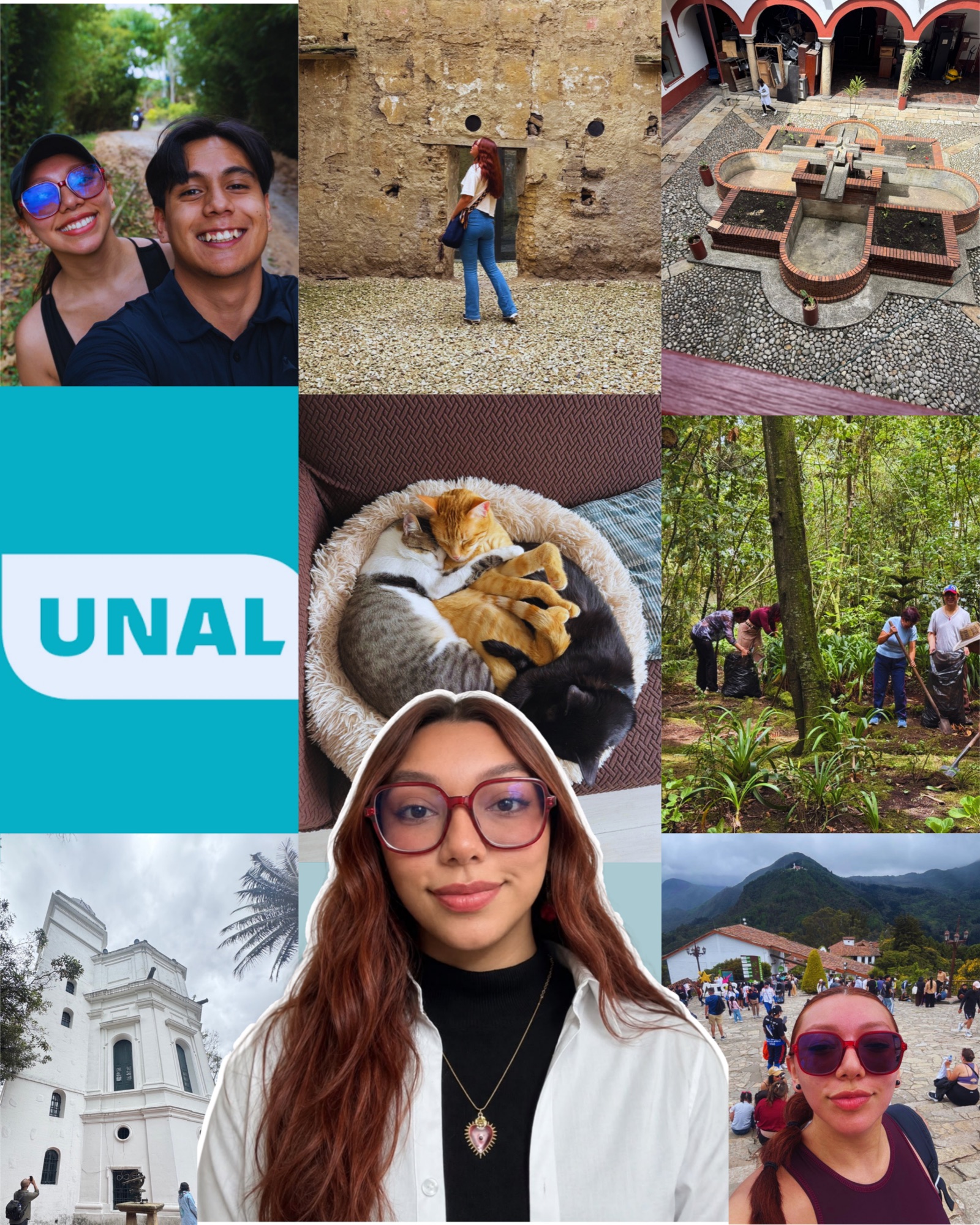
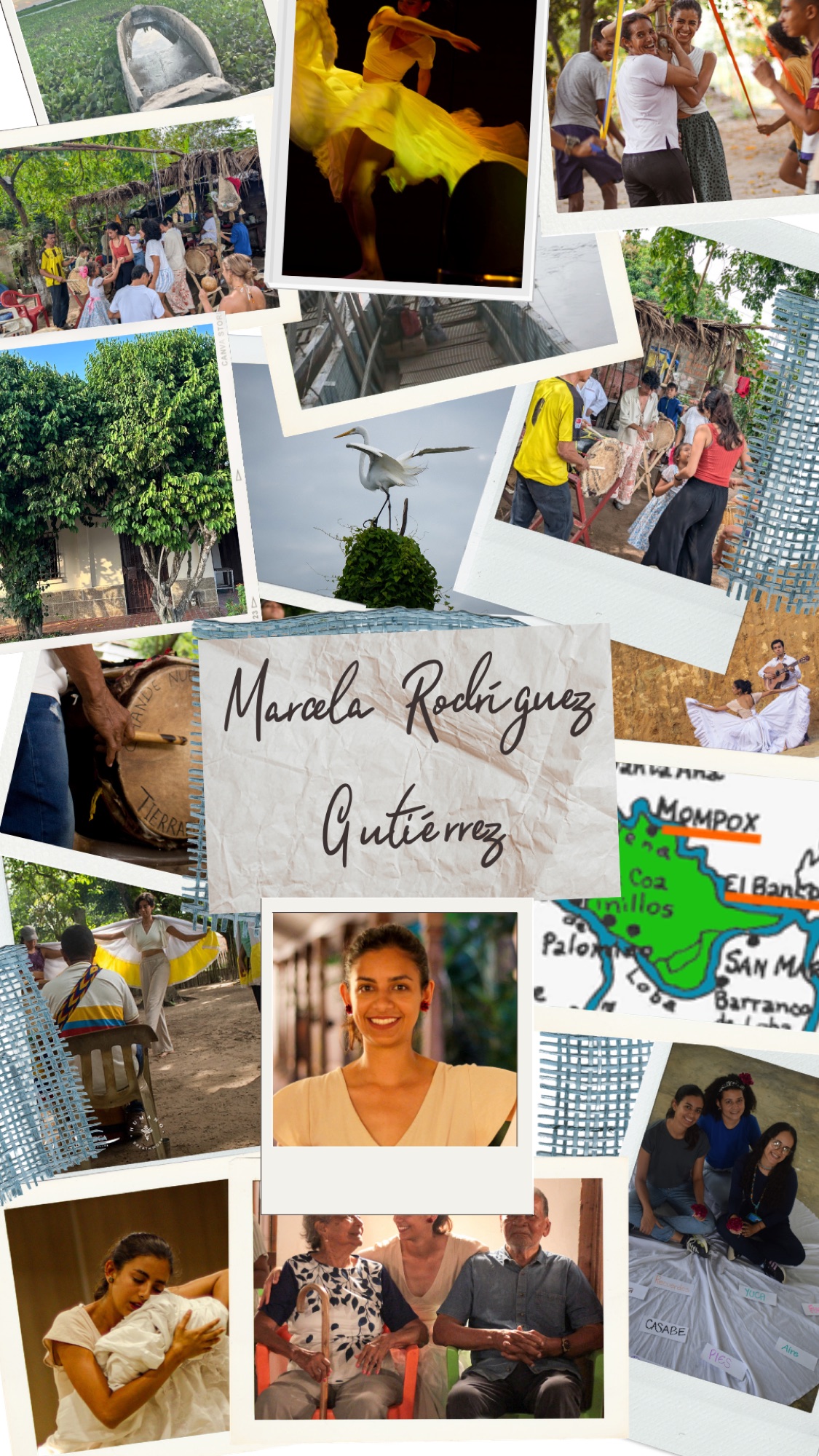
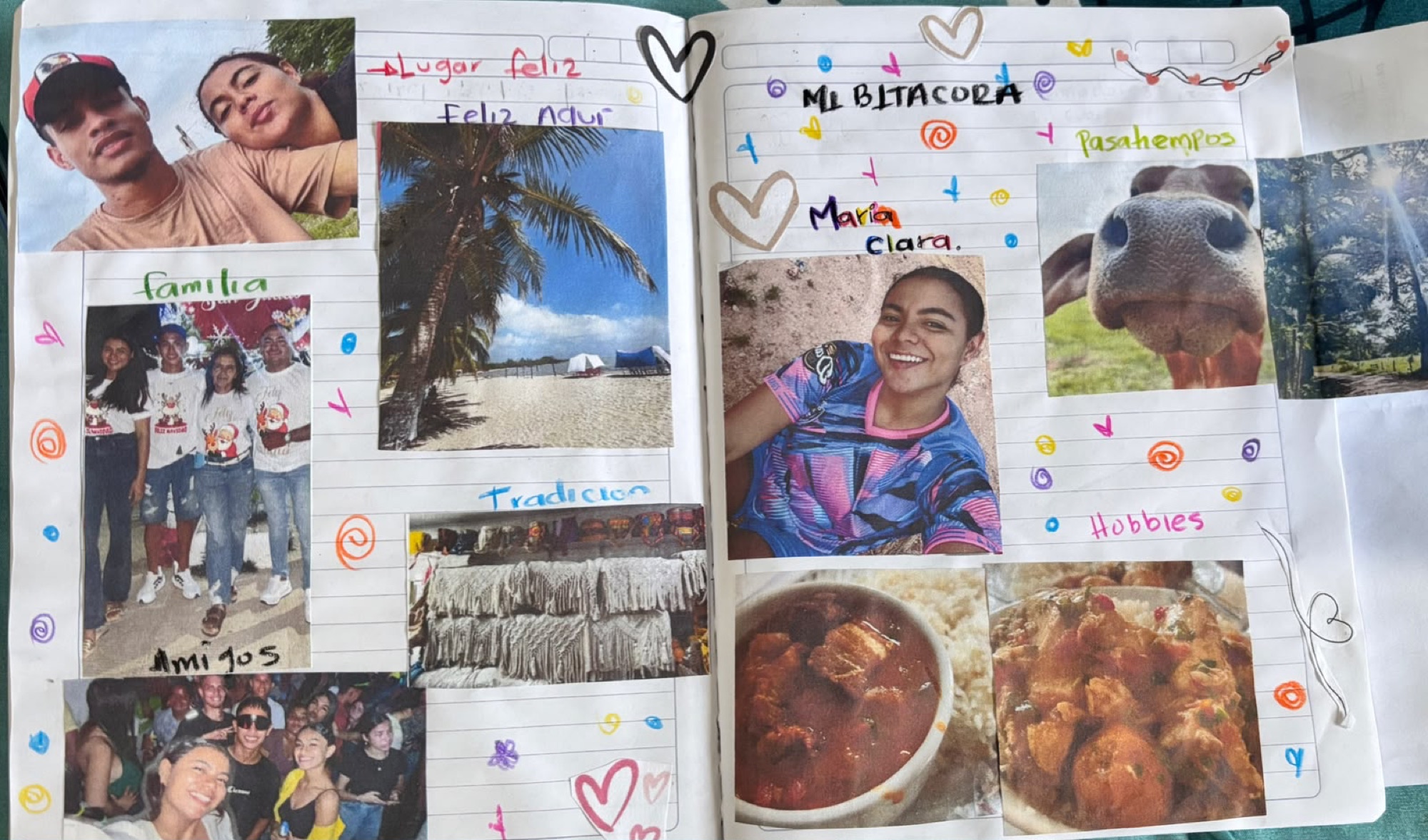
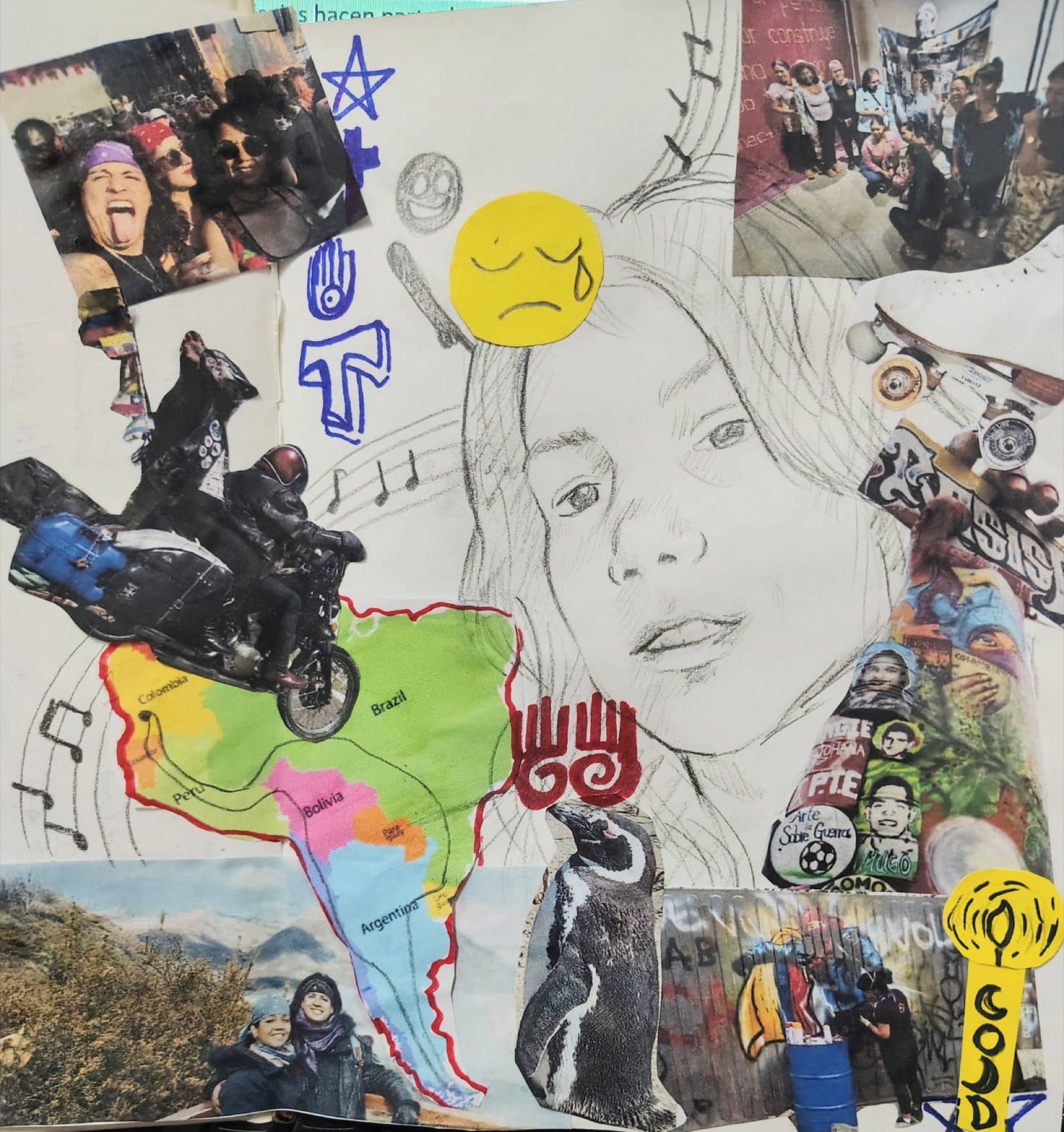
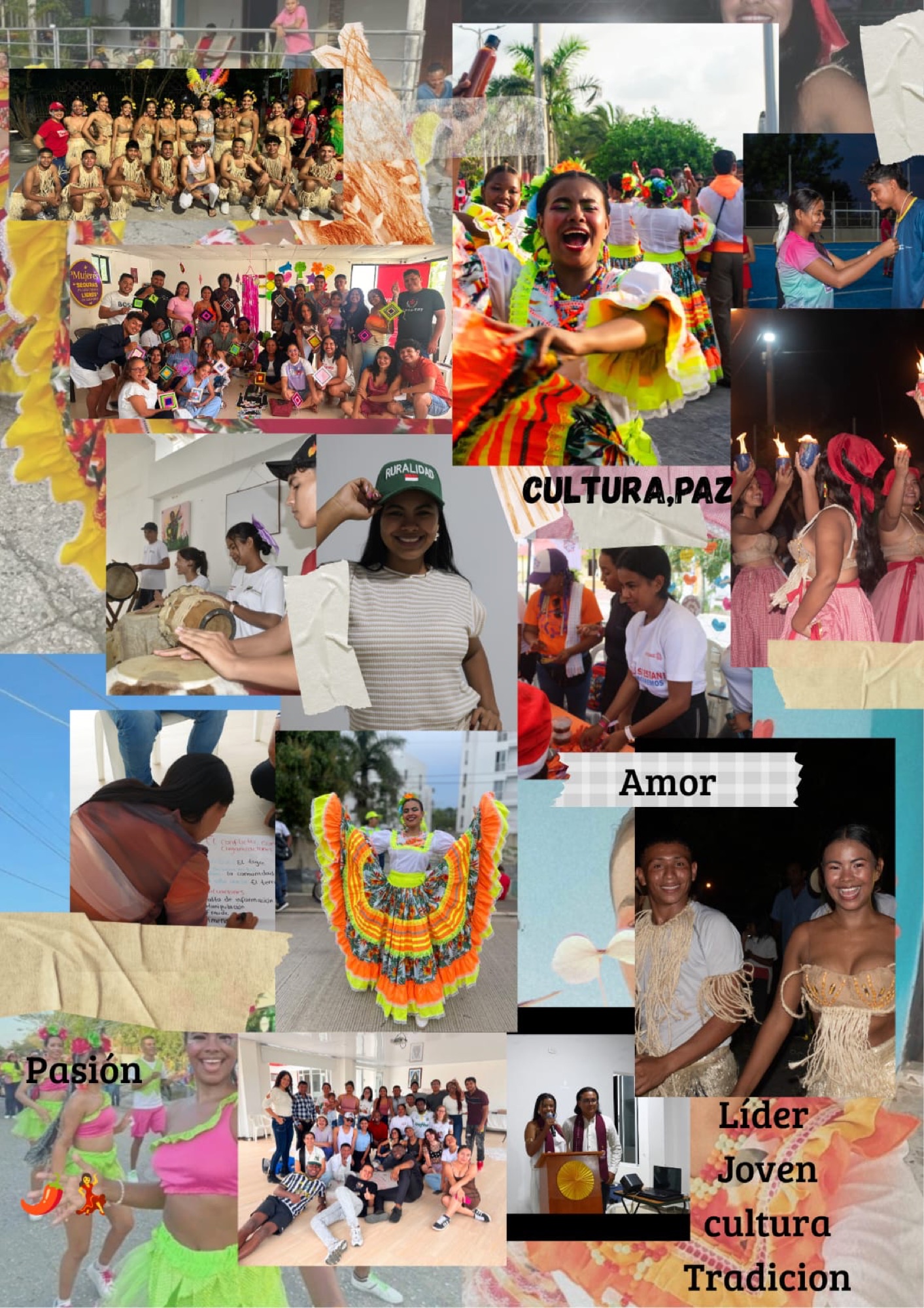
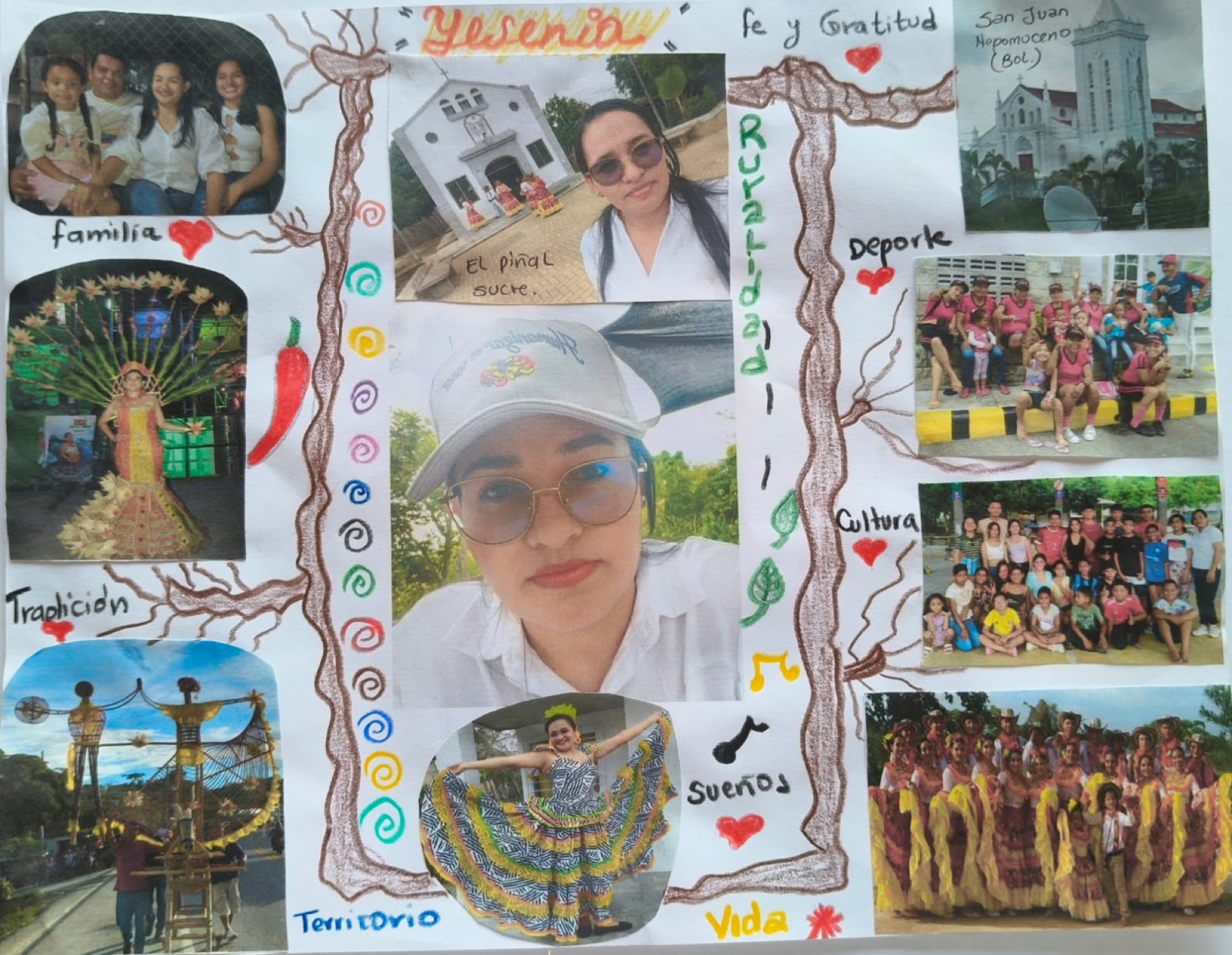
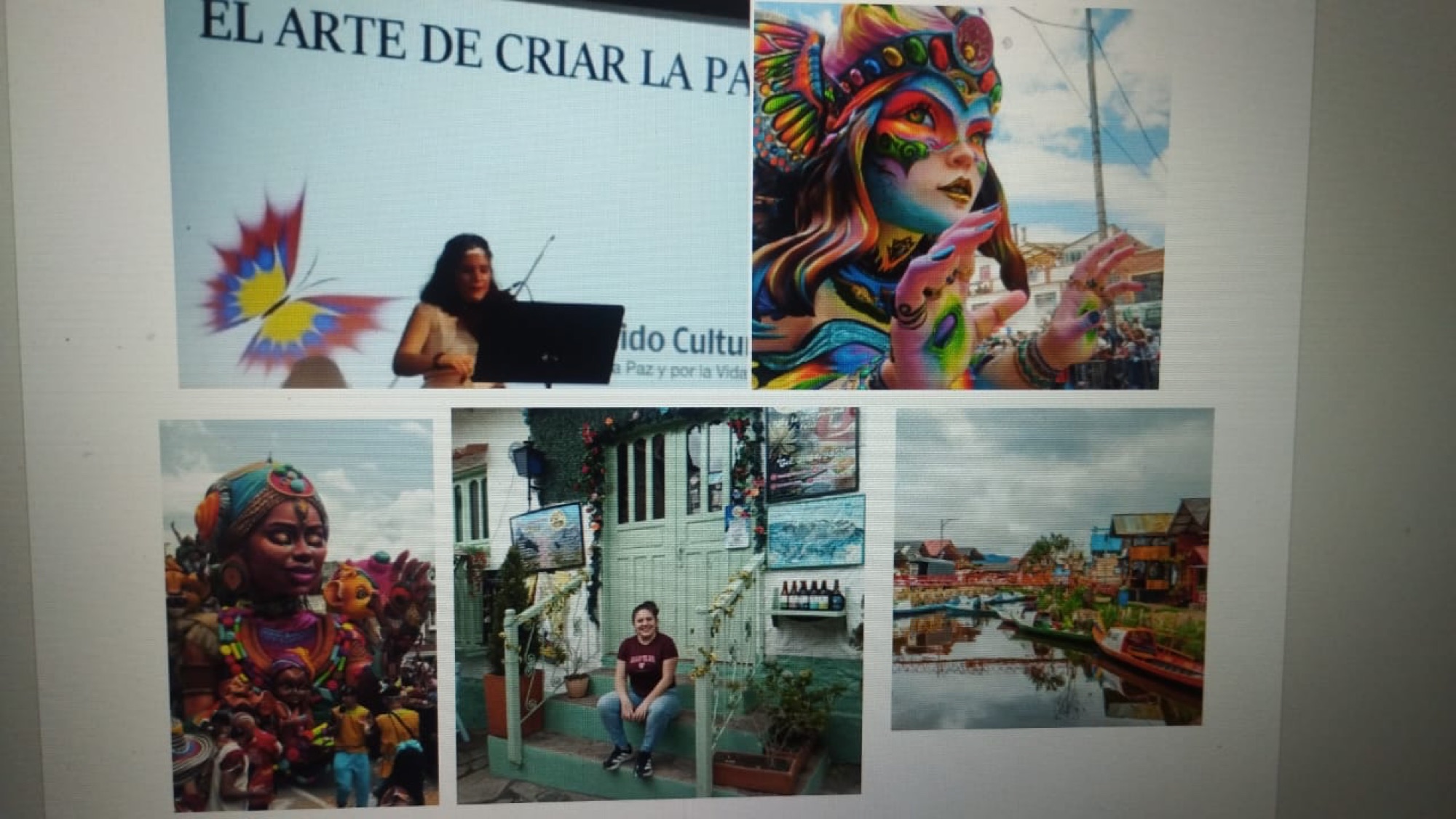
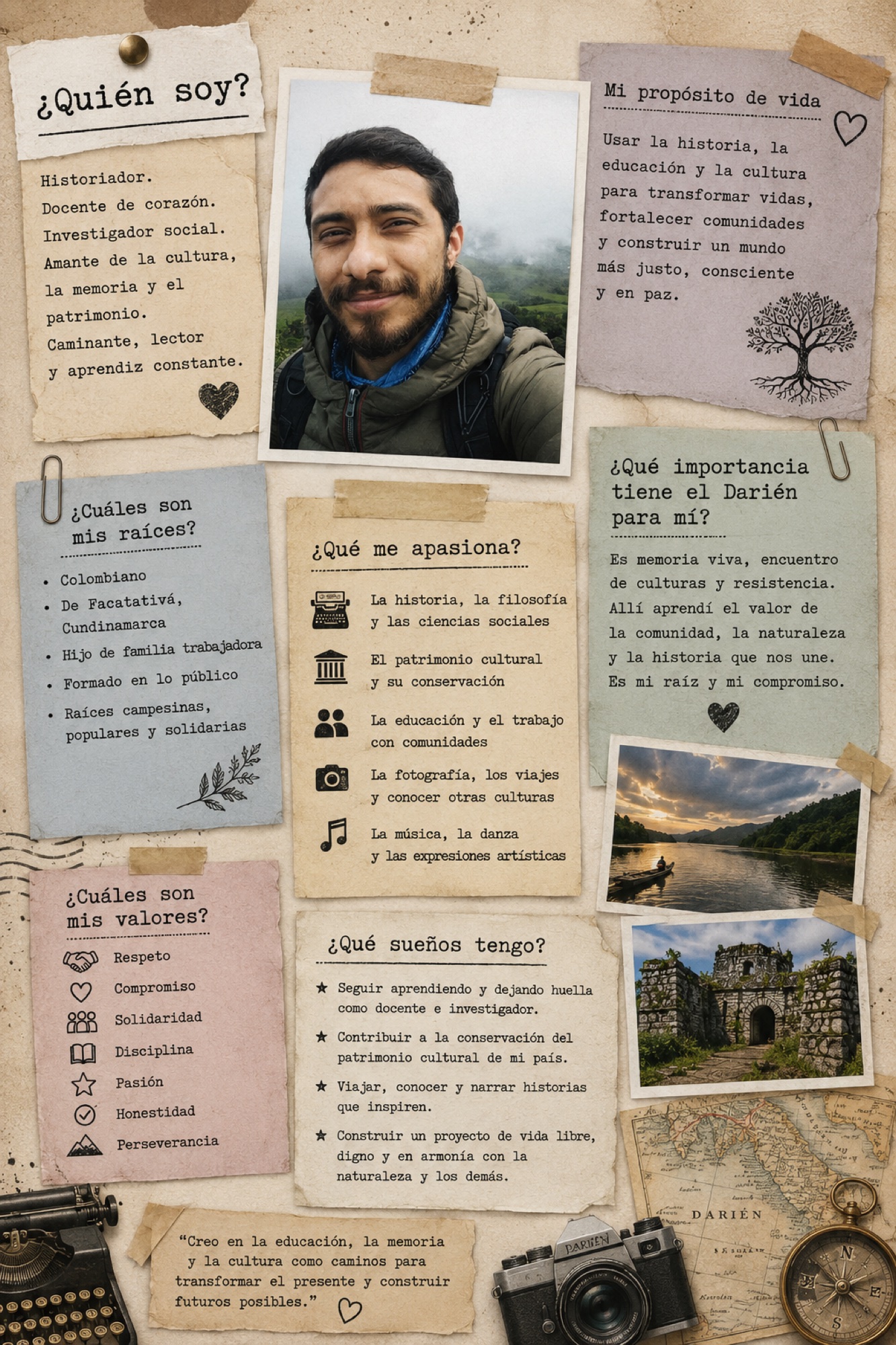
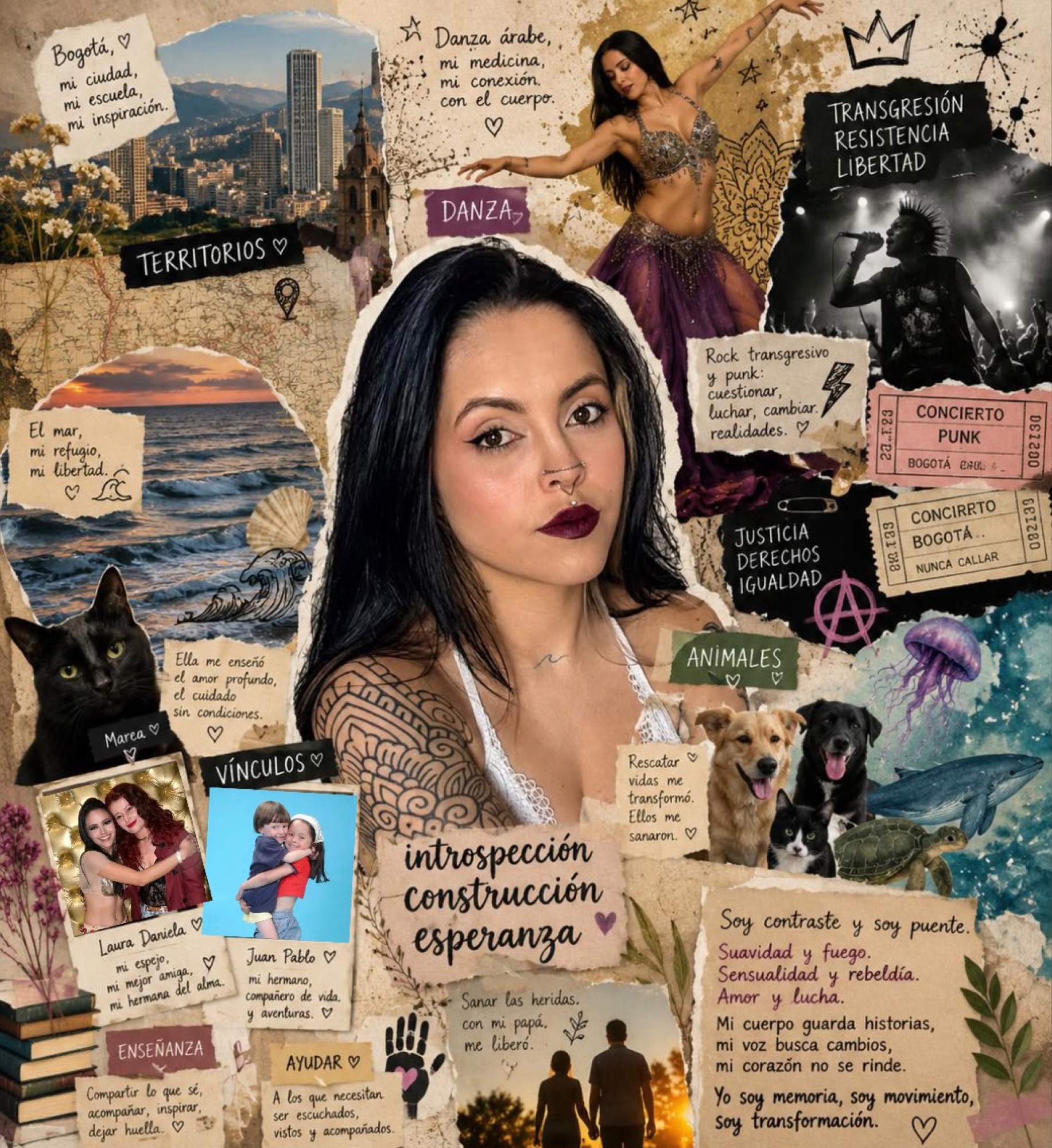
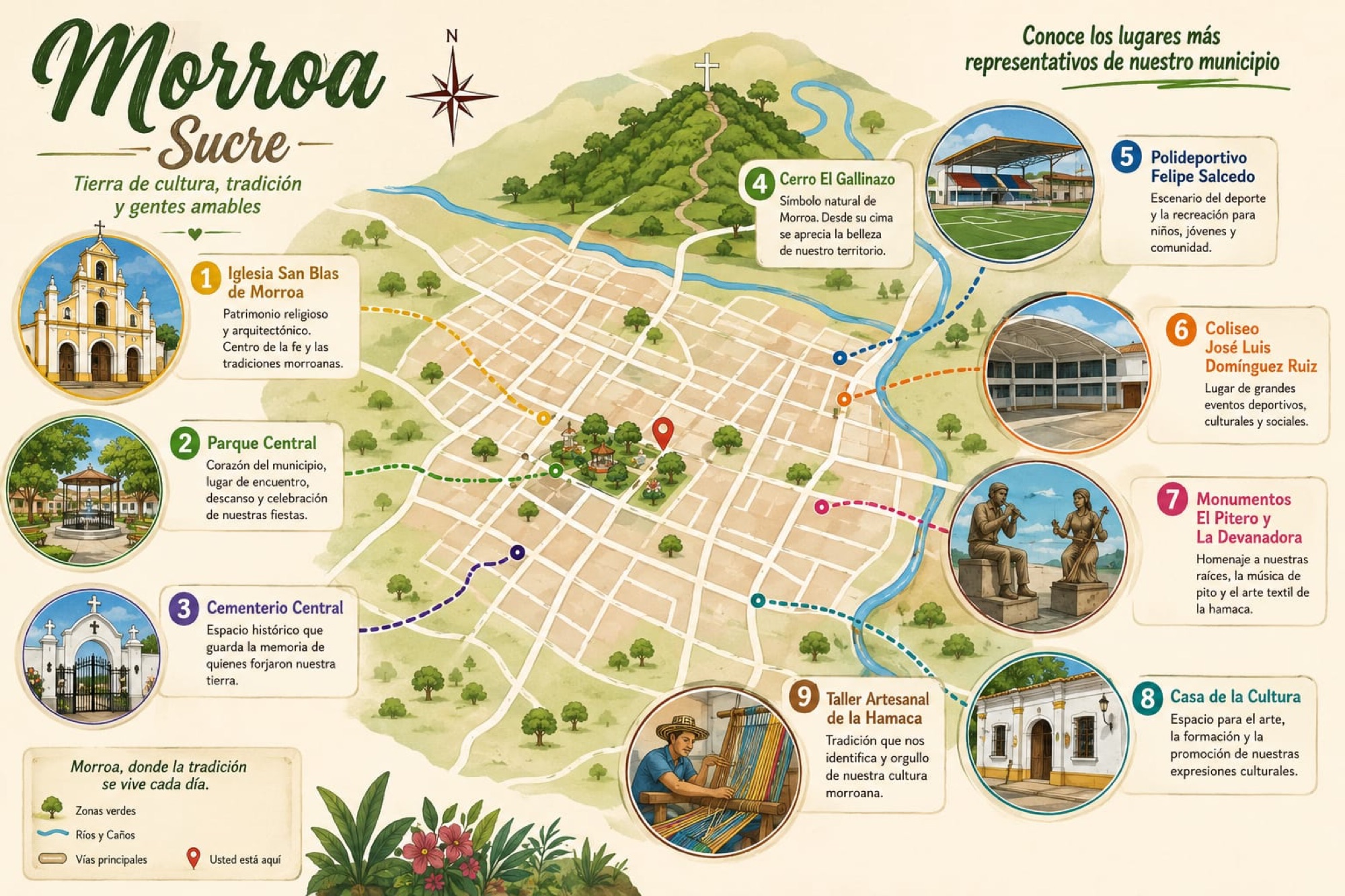
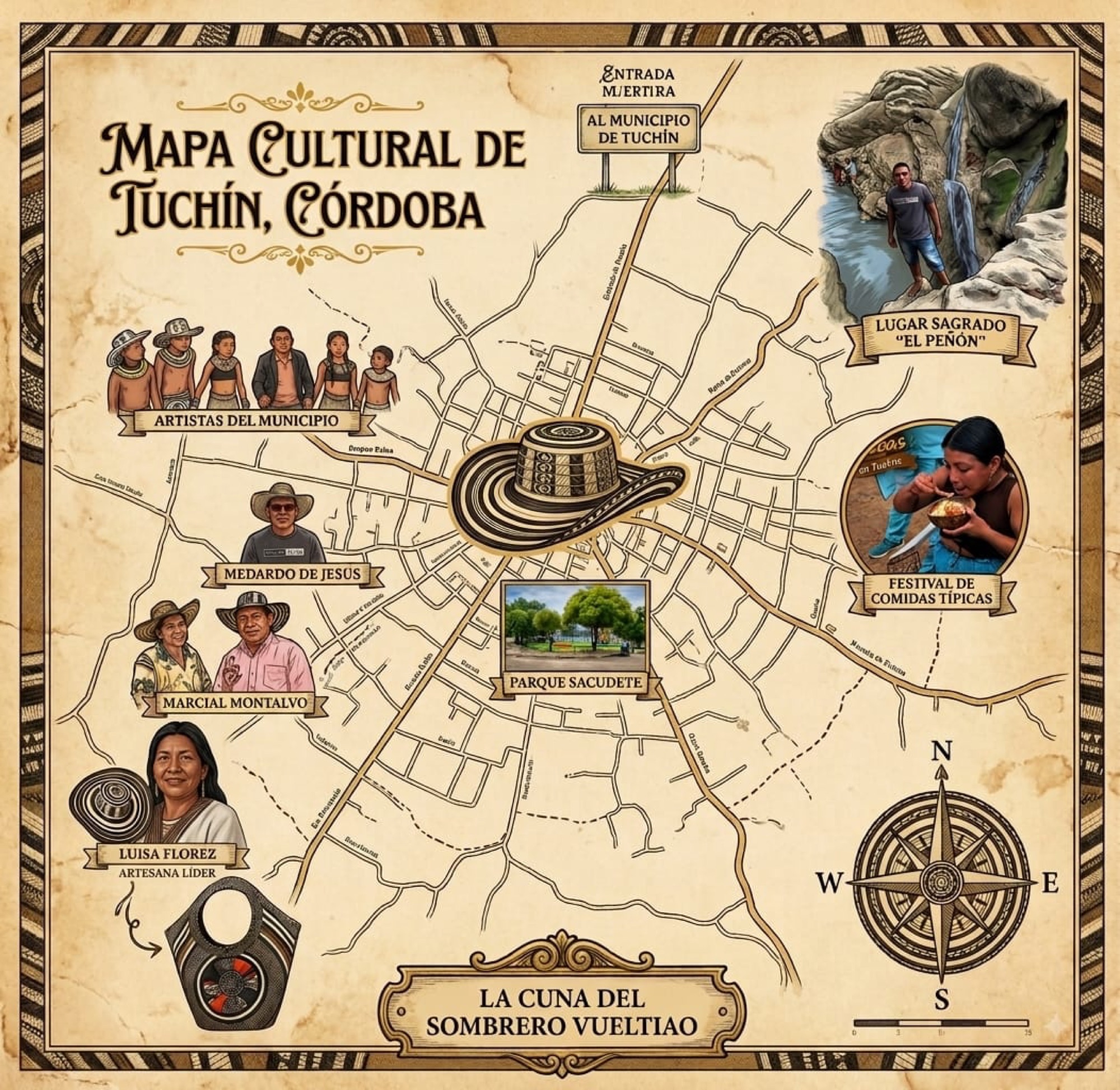
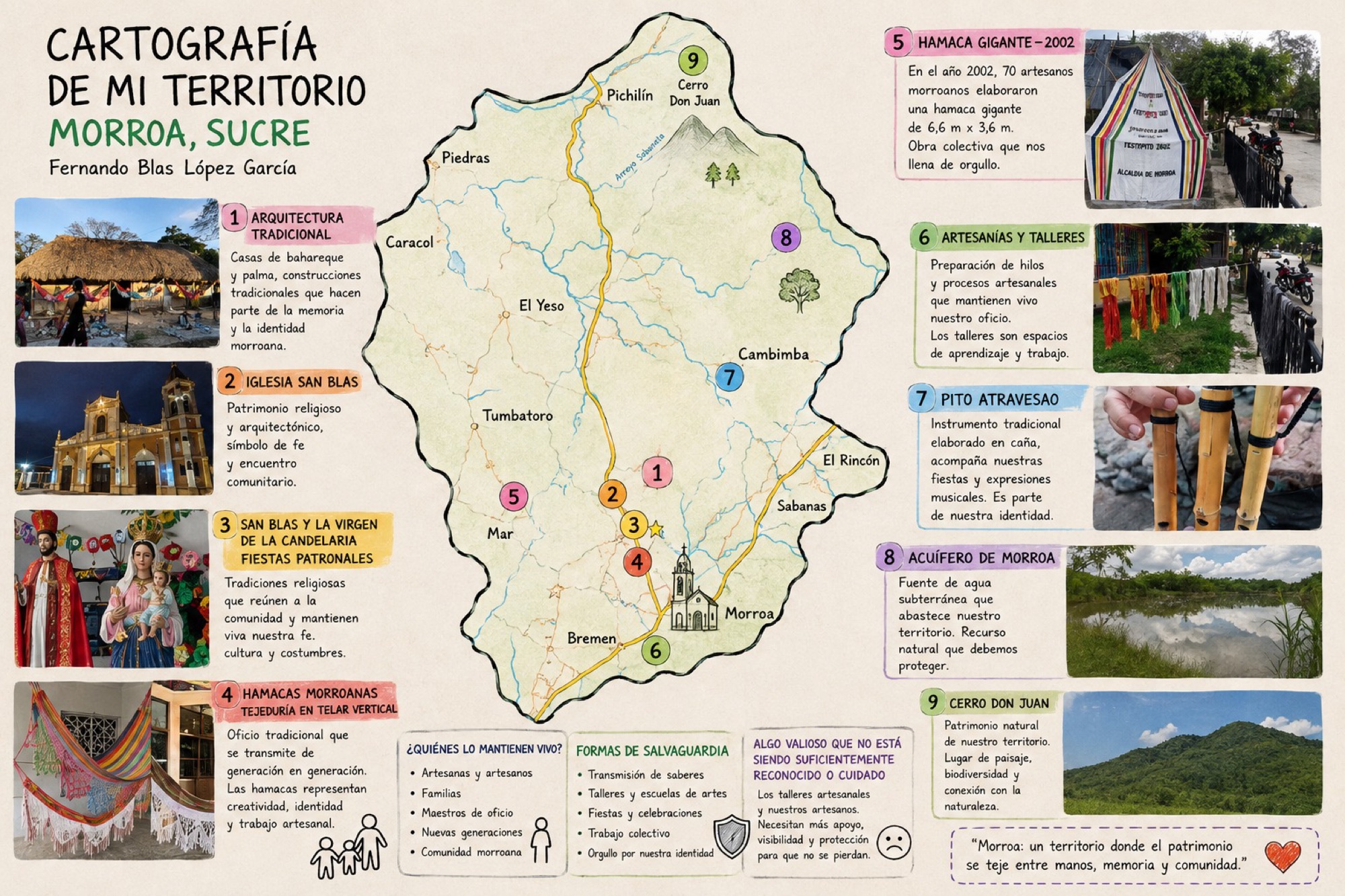
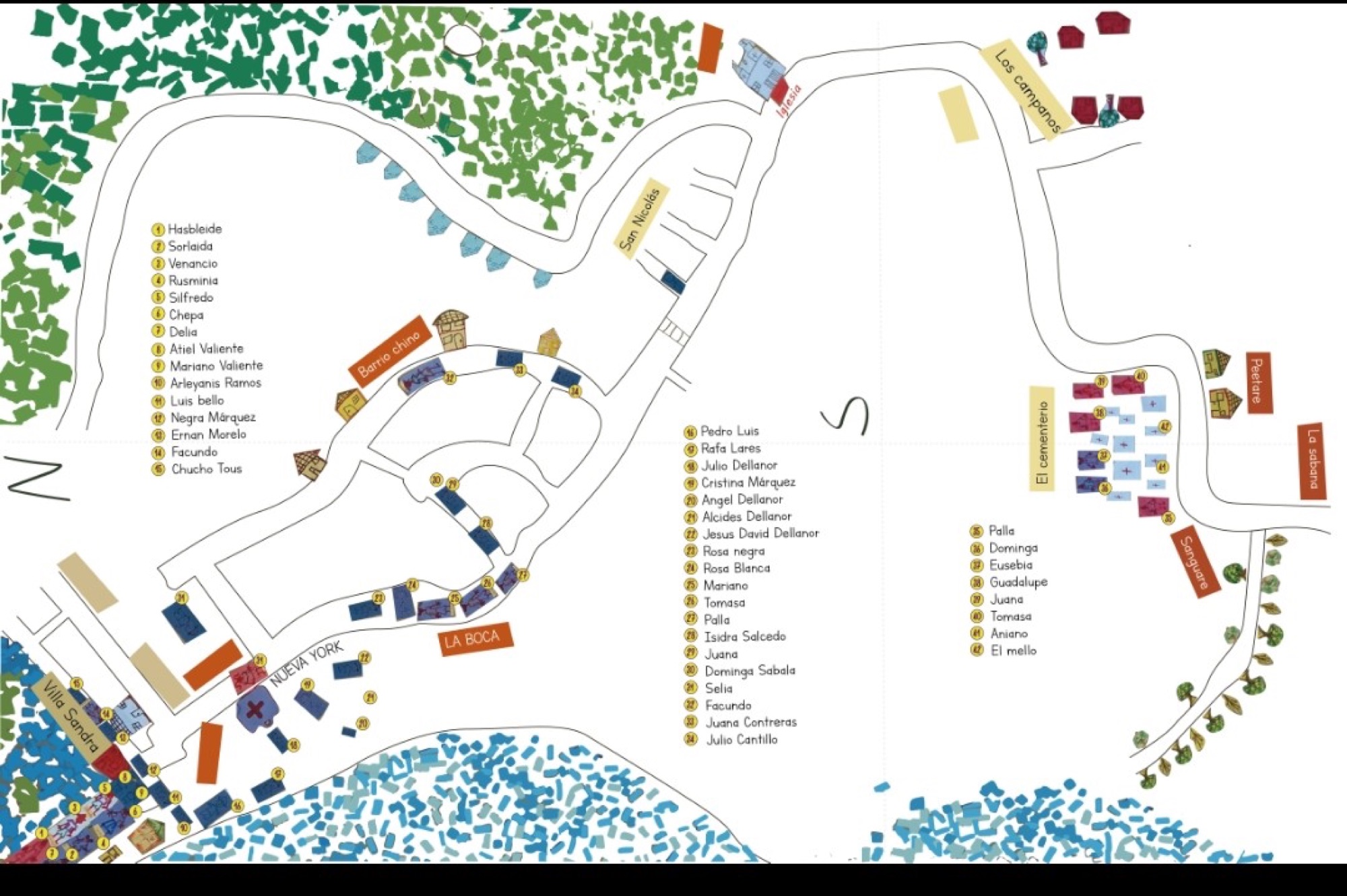
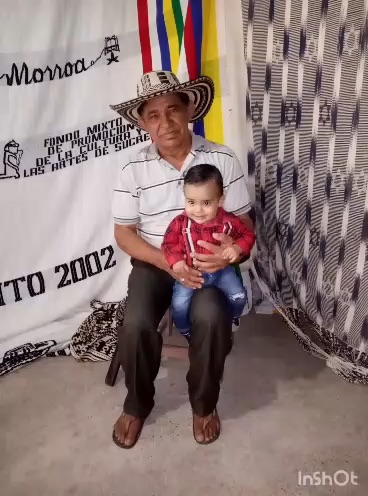
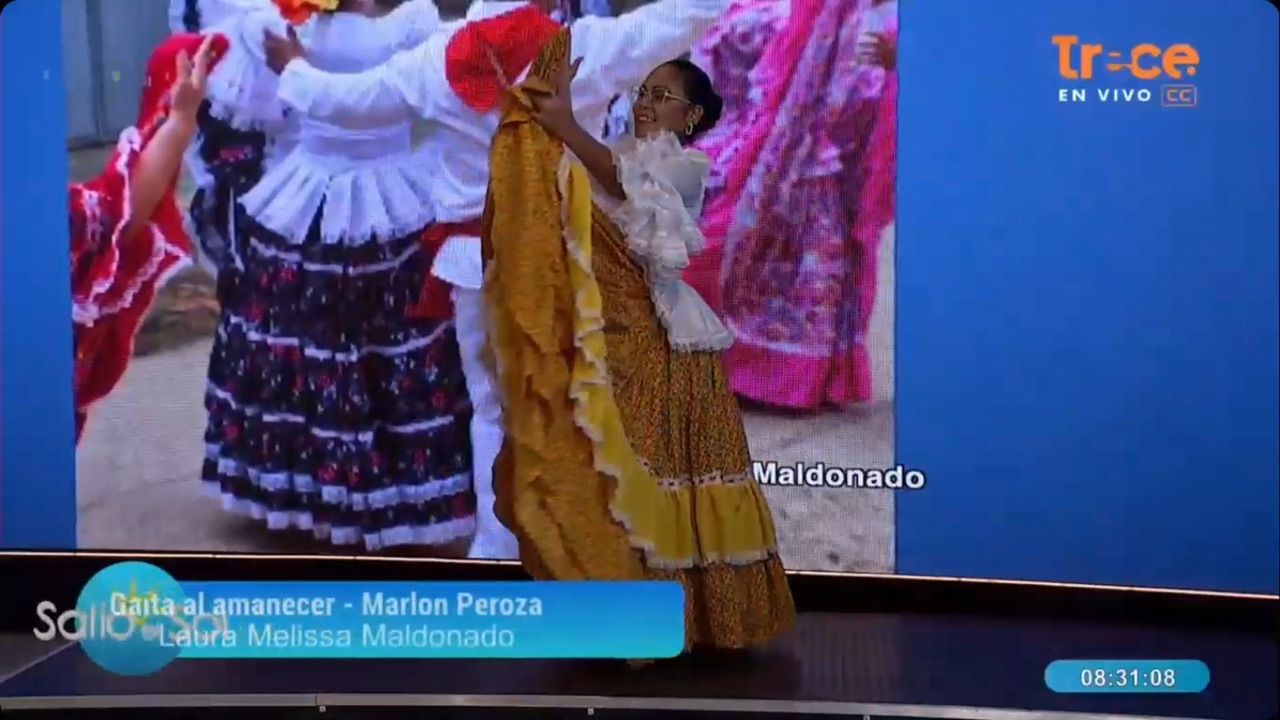
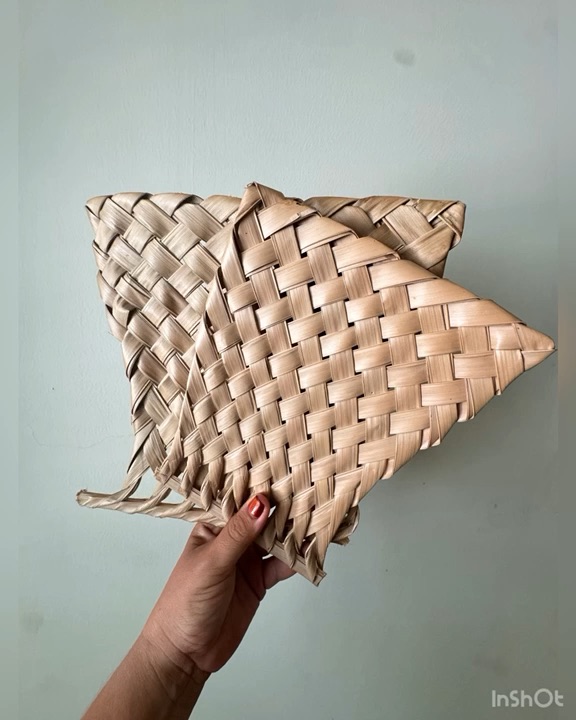
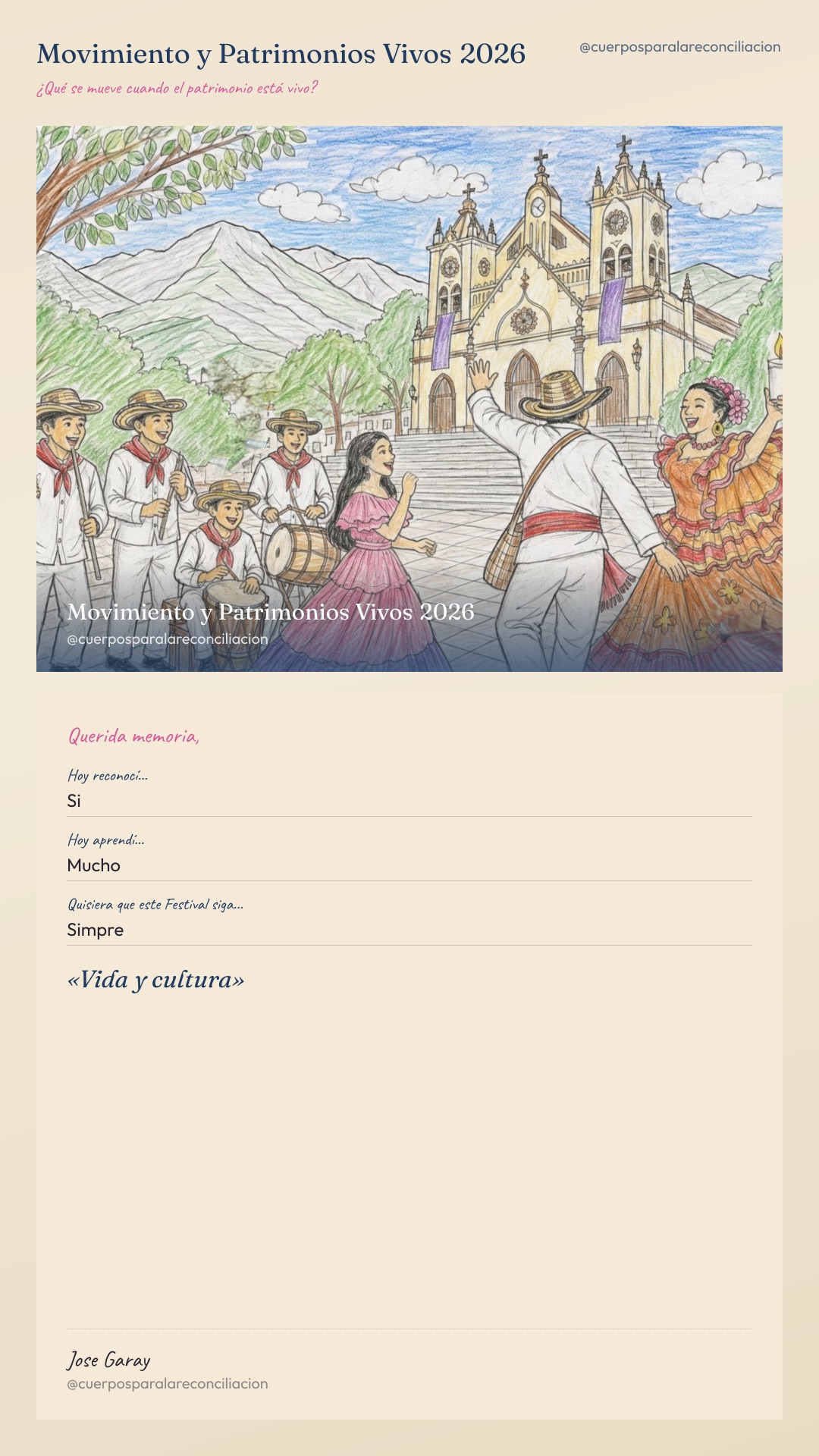
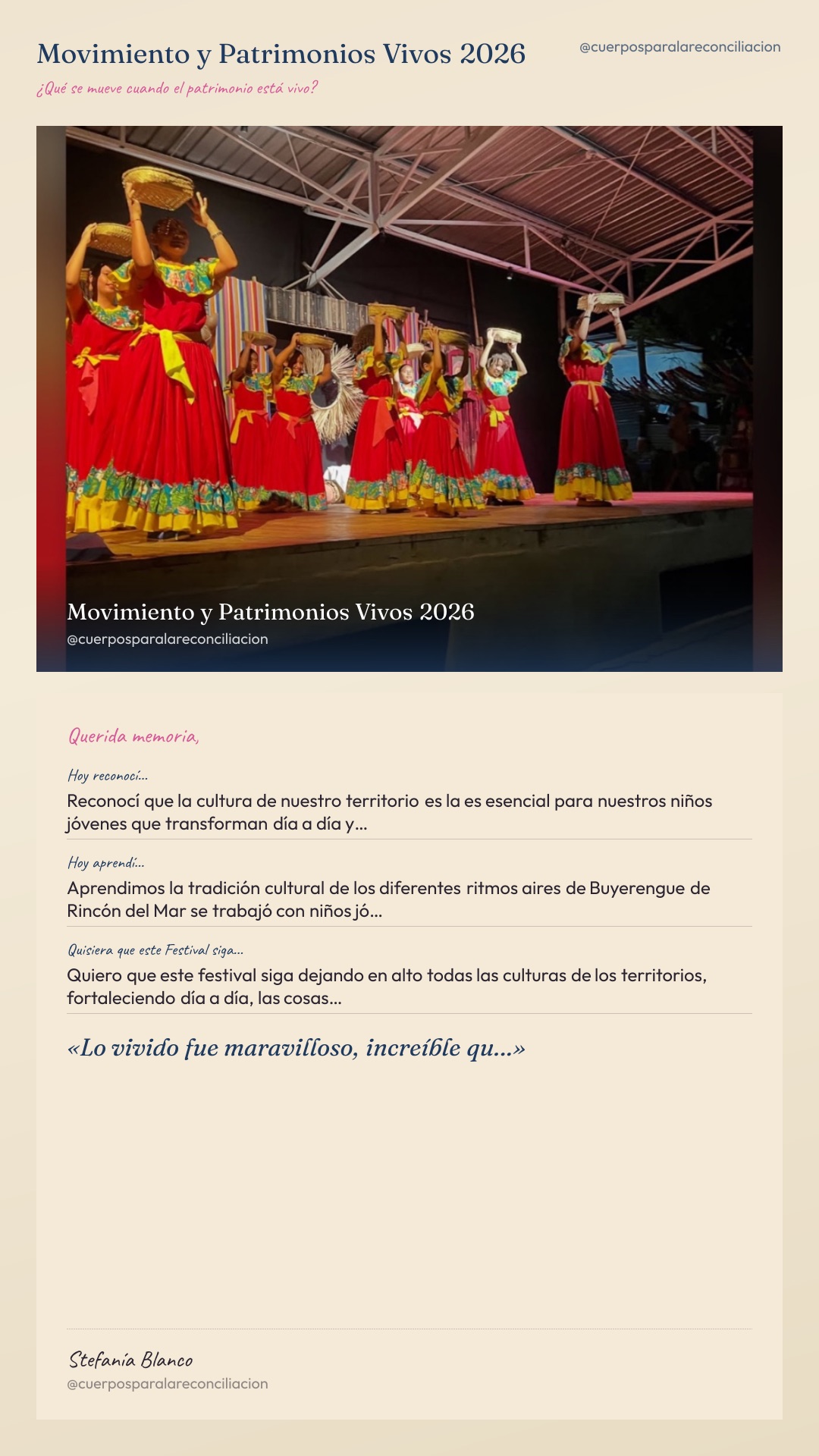
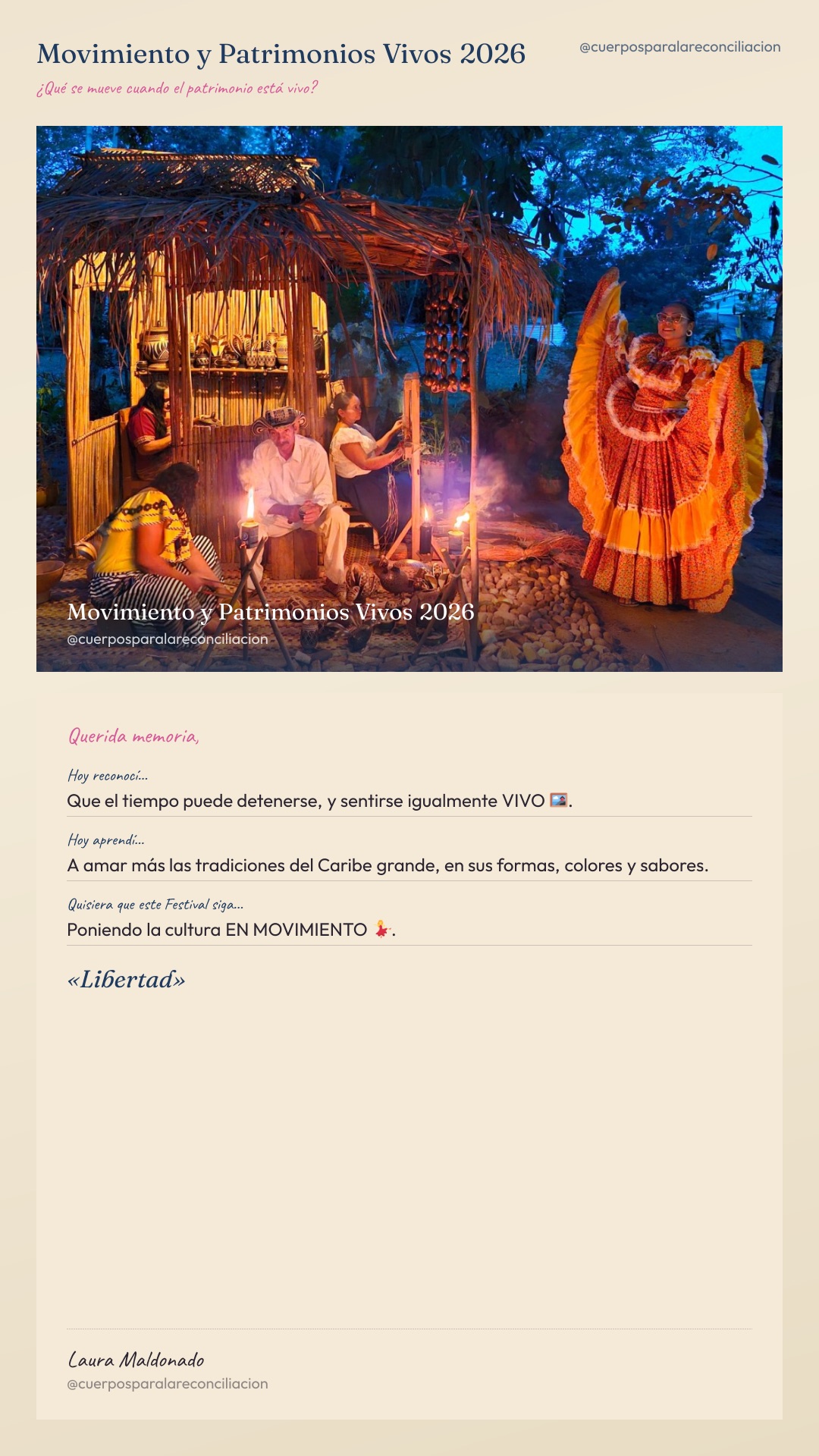
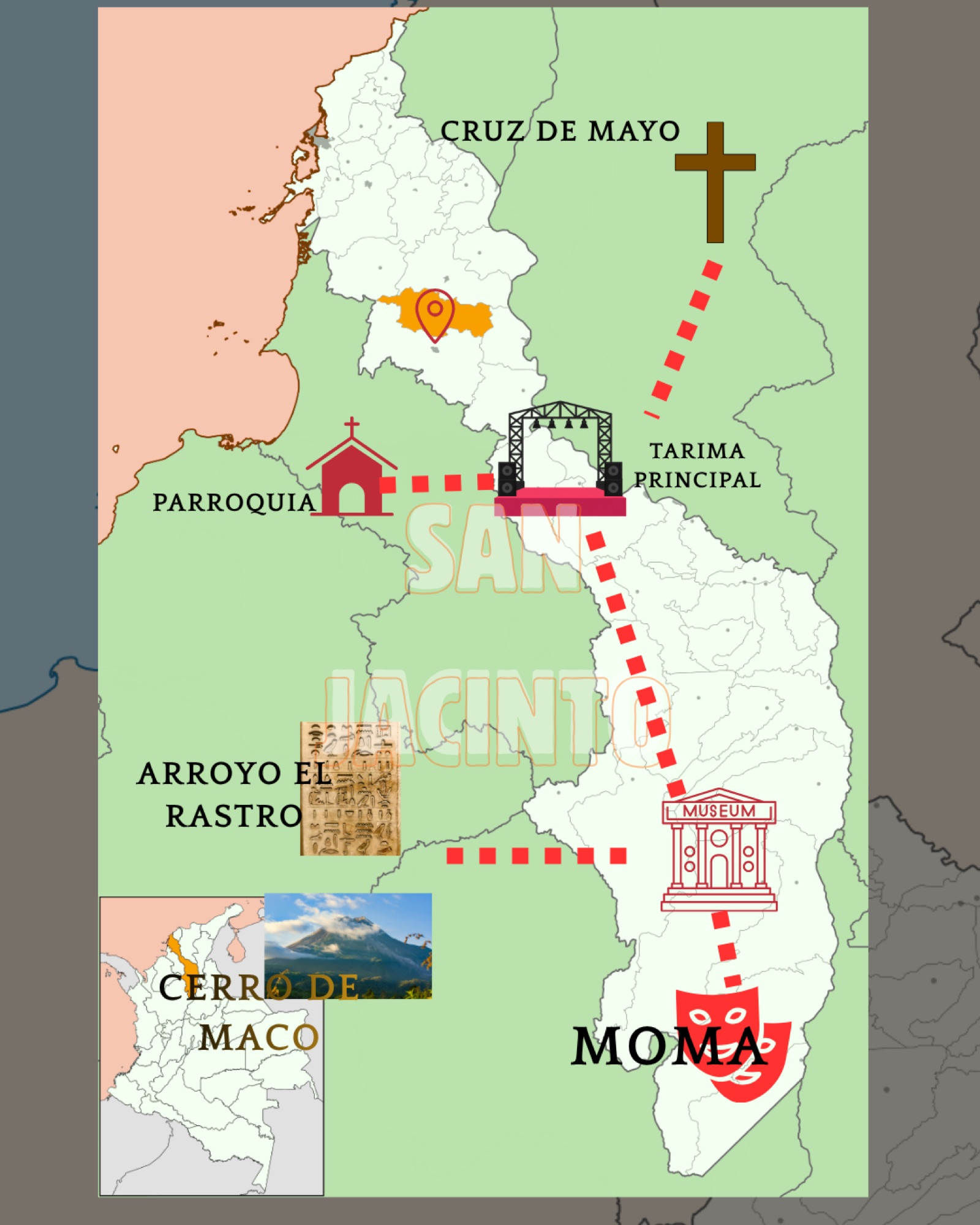
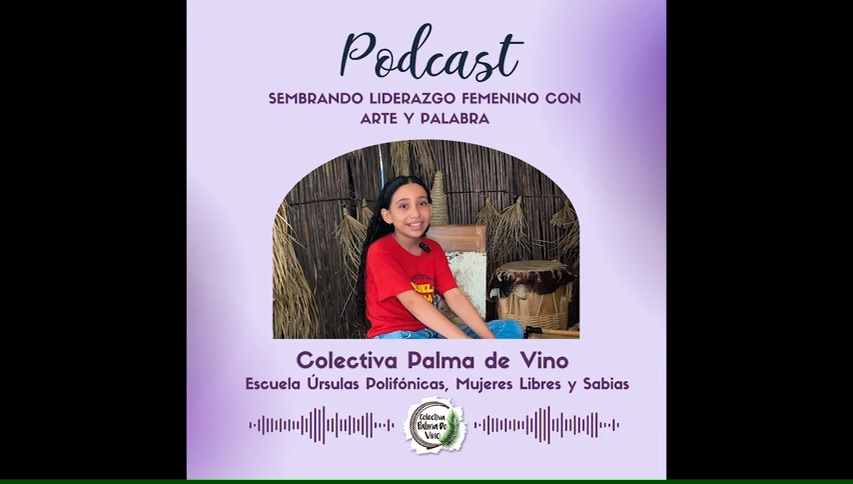
Las obras reunidas en esta exhibición —rostros, collages, objetos, cartografías, álbumes sonoros, pódcast y microcápsulas— dan cuenta de un aprendizaje construido desde la experiencia, la escucha y la creación colaborativa.
Cada pieza es una huella y, al mismo tiempo, una invitación: reconocer los patrimonios que nos habitan, cuidar las memorias de las comunidades y transformar nuestros aprendizajes en acciones para la convivencia y la paz.
Comienza el recorrido: del rostro al territorio, de la memoria a la escucha y de la creación al cuidado de los conocimientos.
Orden sugerido del recorrido
Rostros que guardan memoria
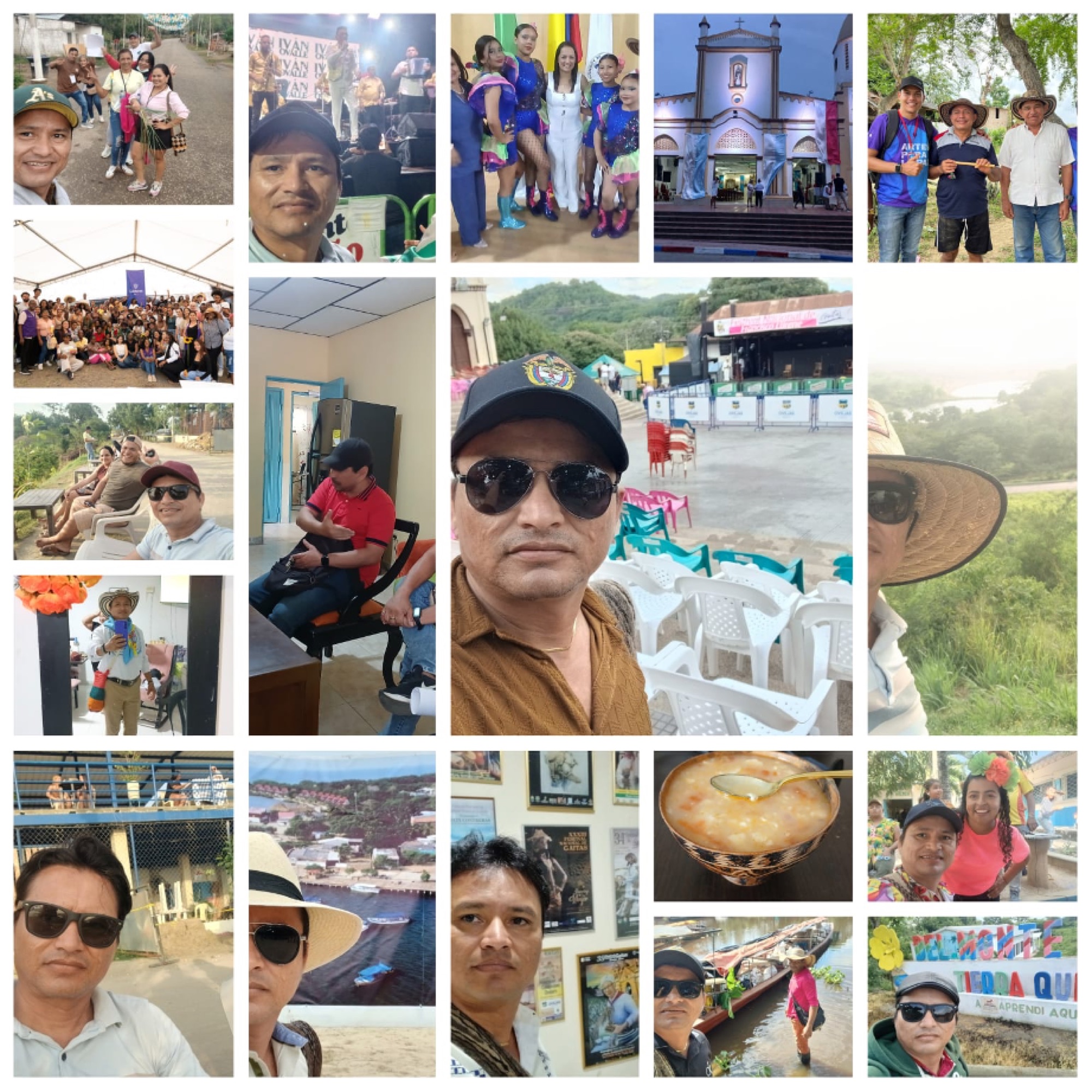
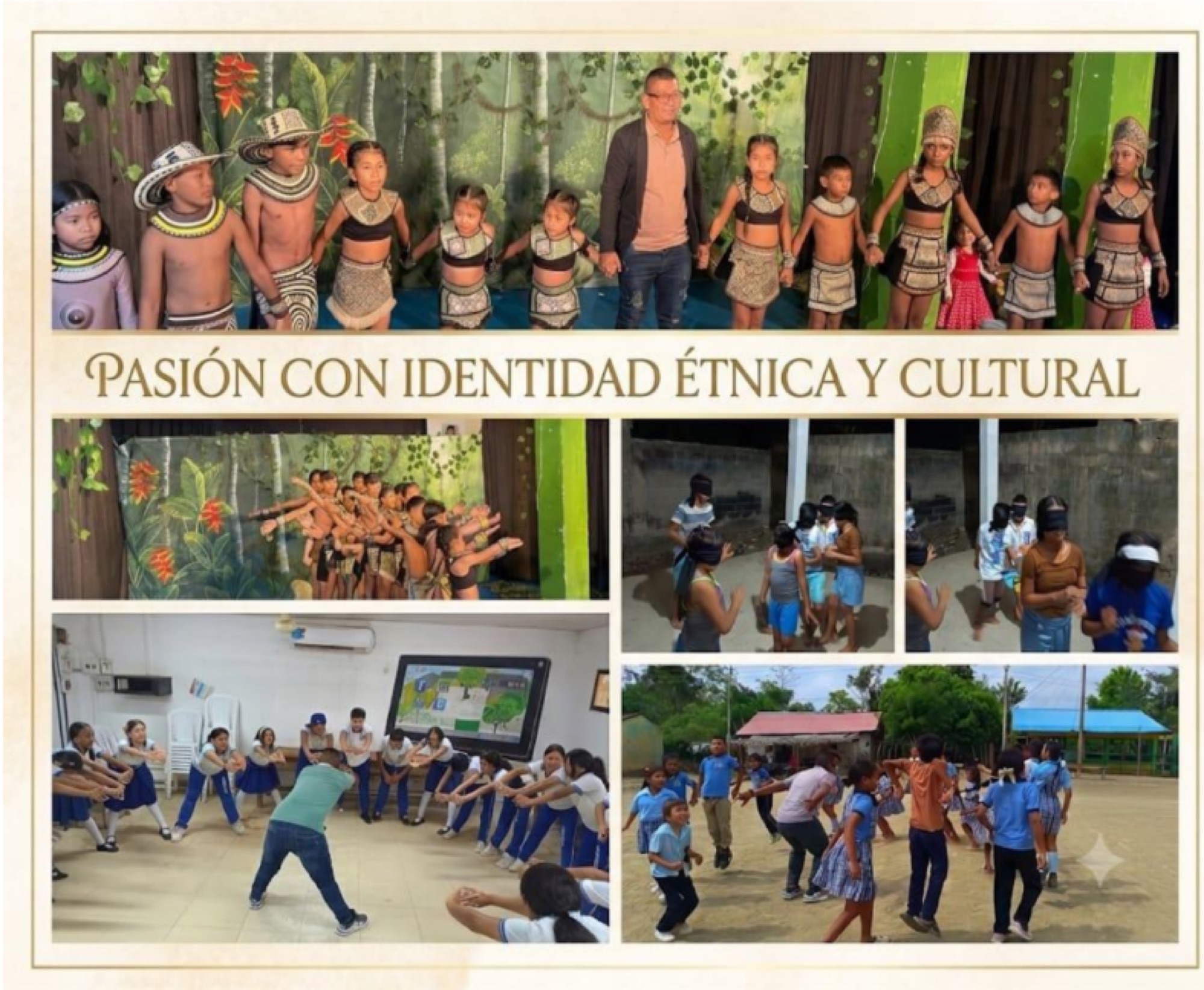
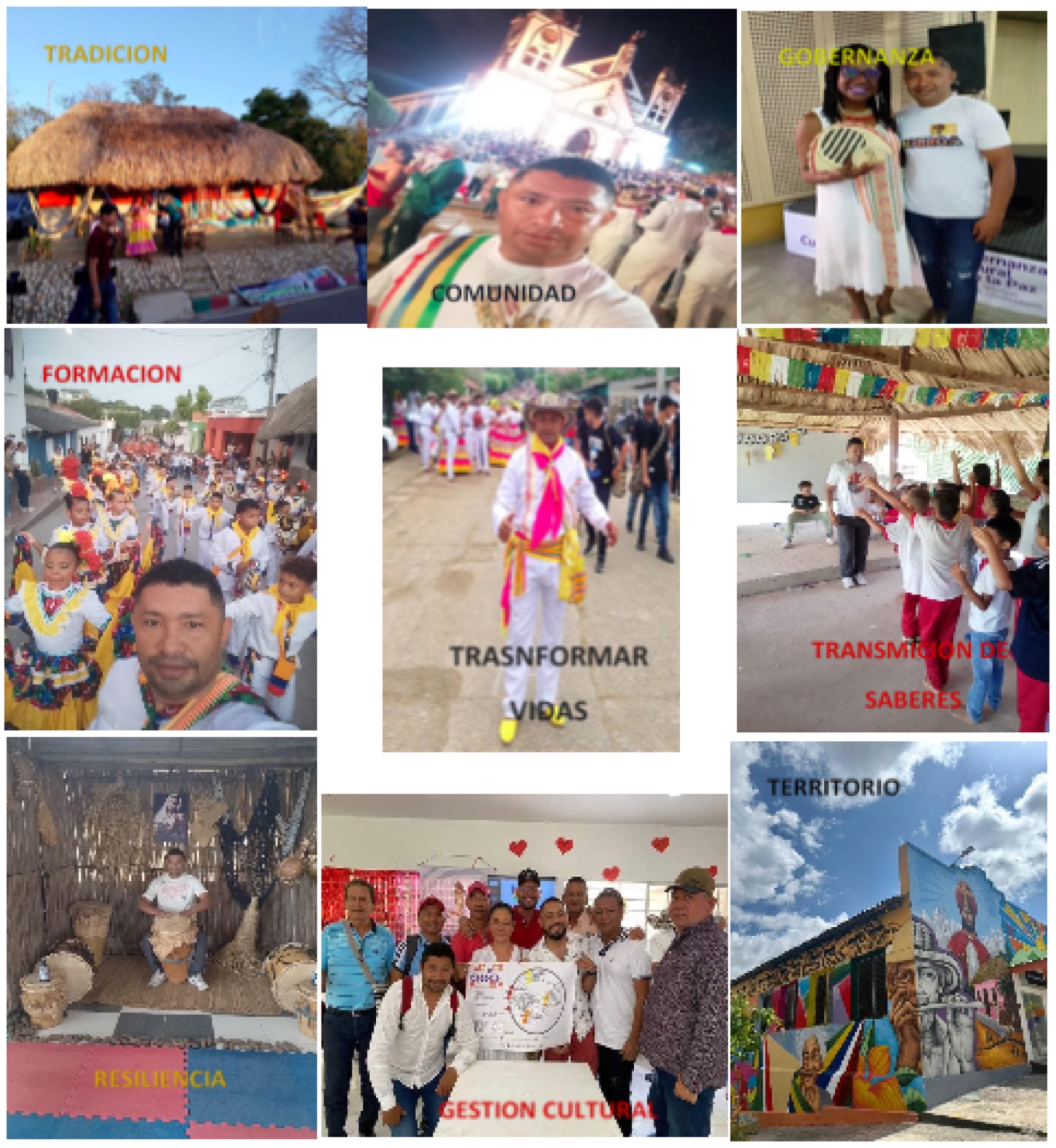
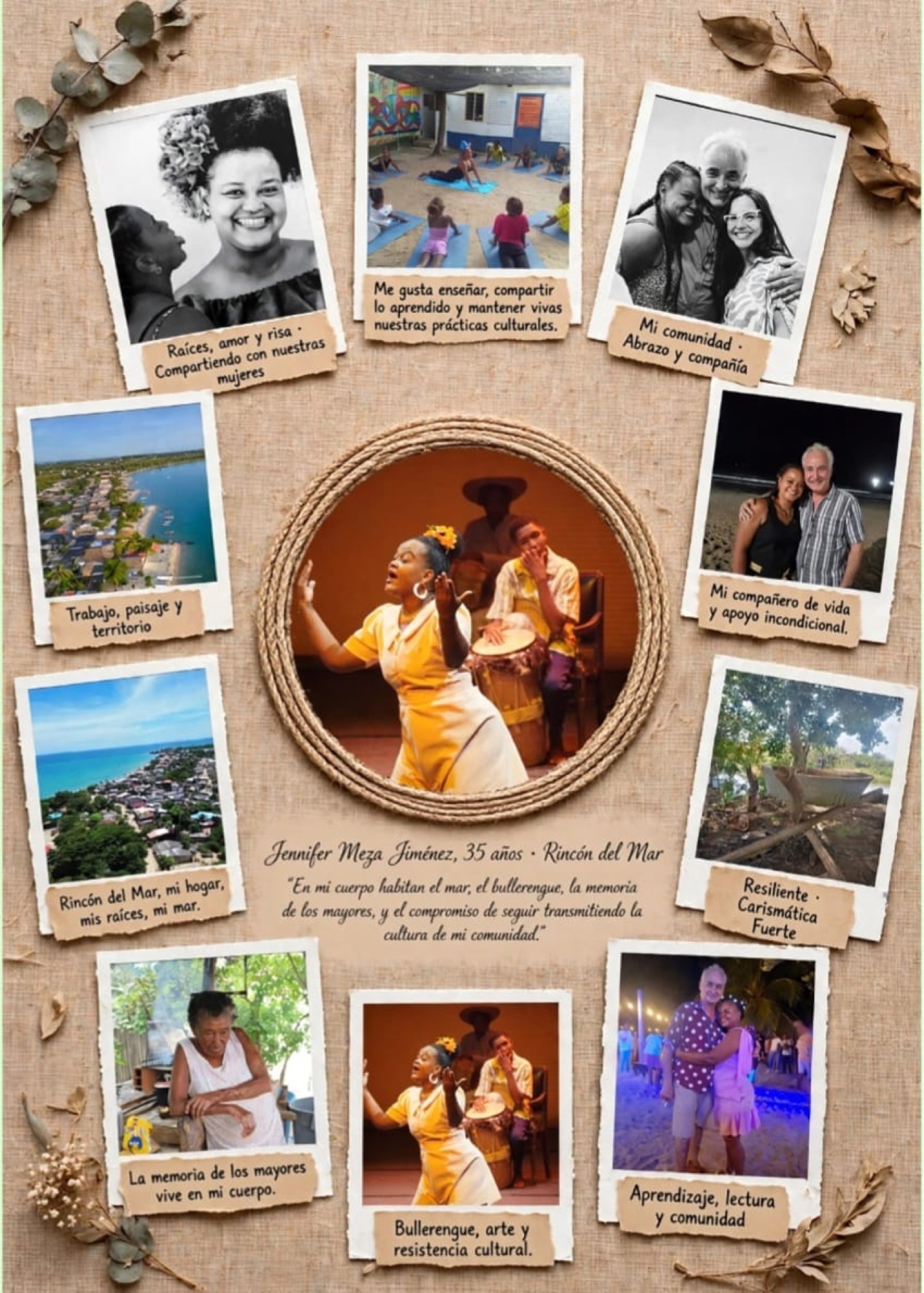
Lo que guardamos también cuenta historias
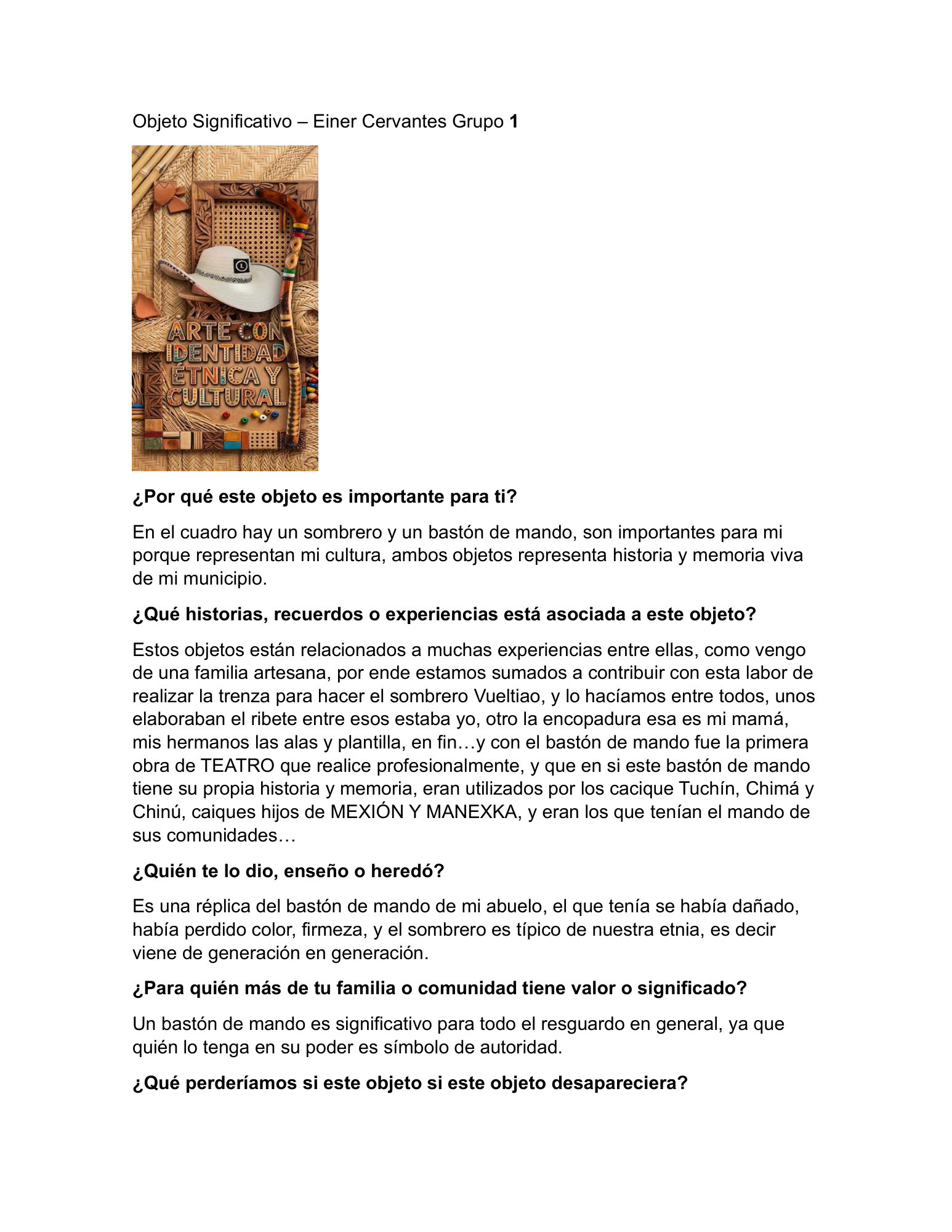
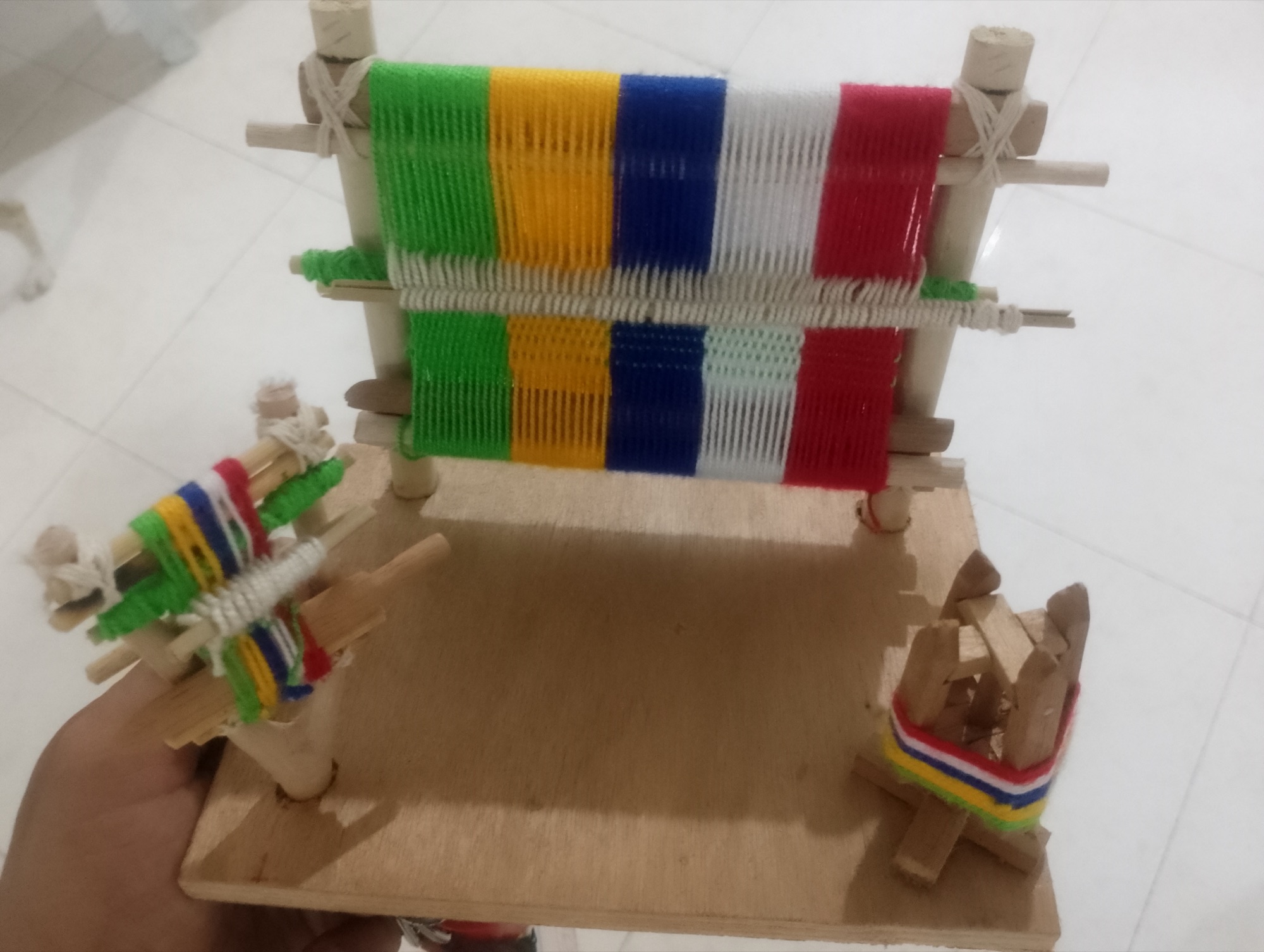
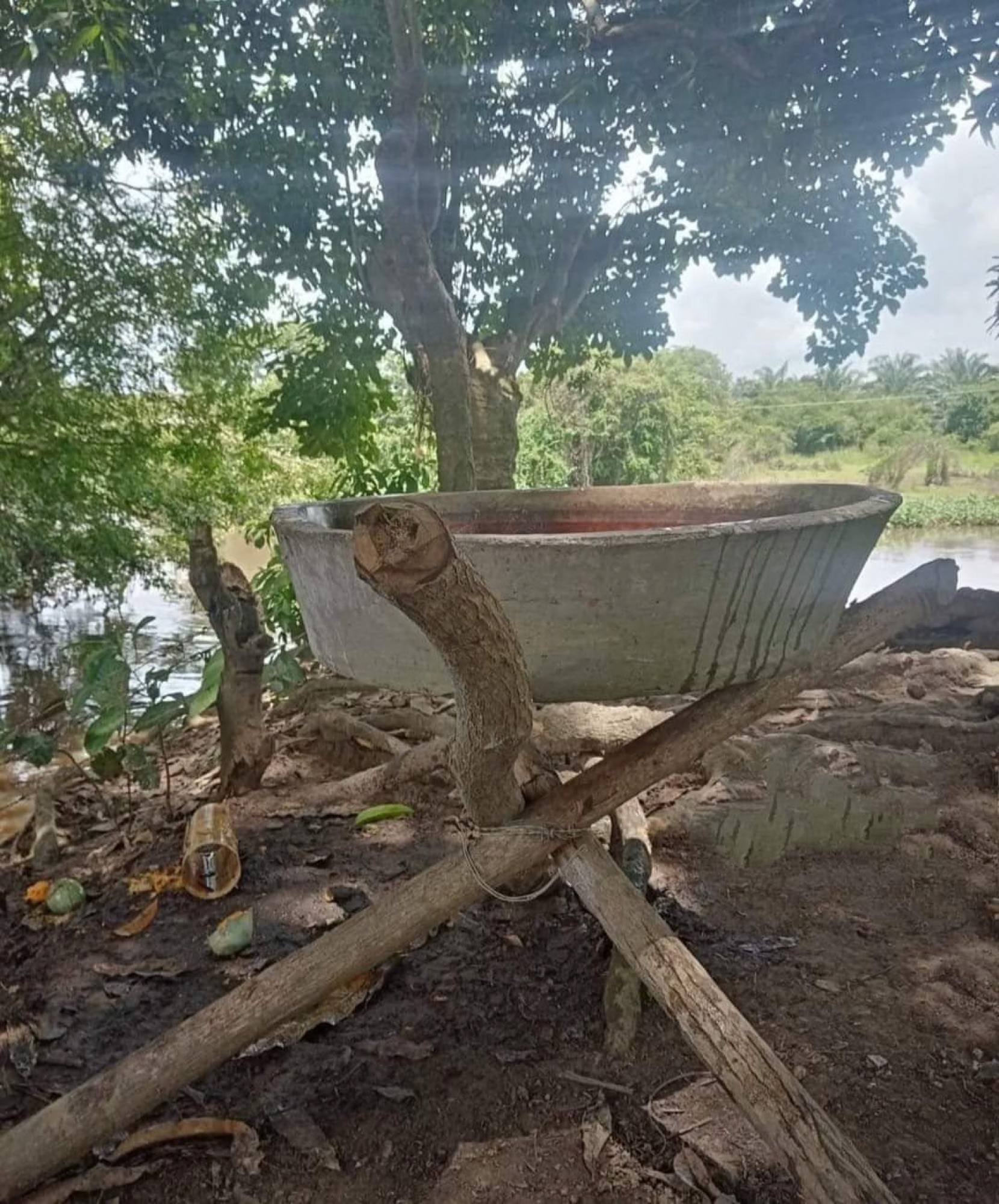
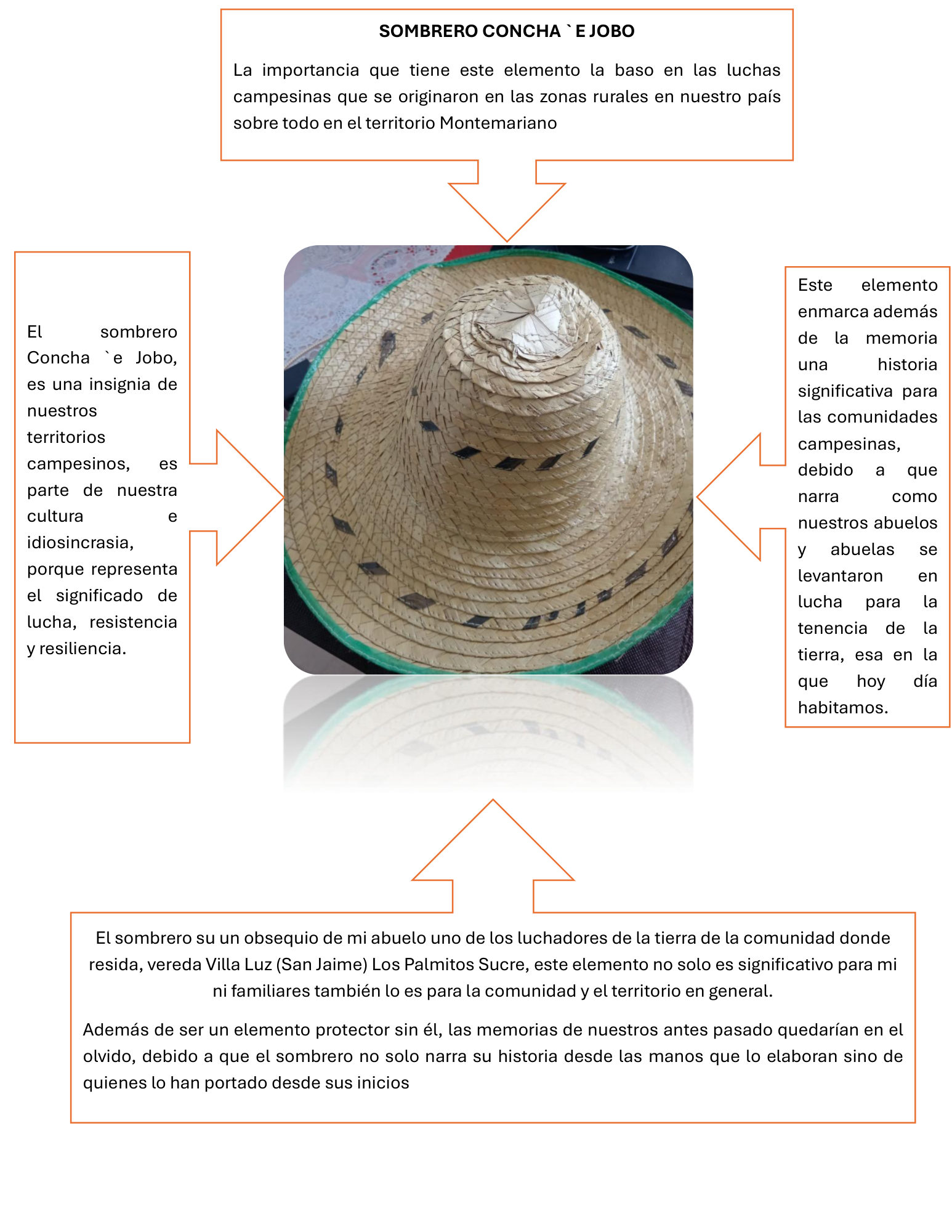
Territorios que hablan
Memorias que se ven y se escuchan
Patrimonios al oído
Compartir también es cuidar
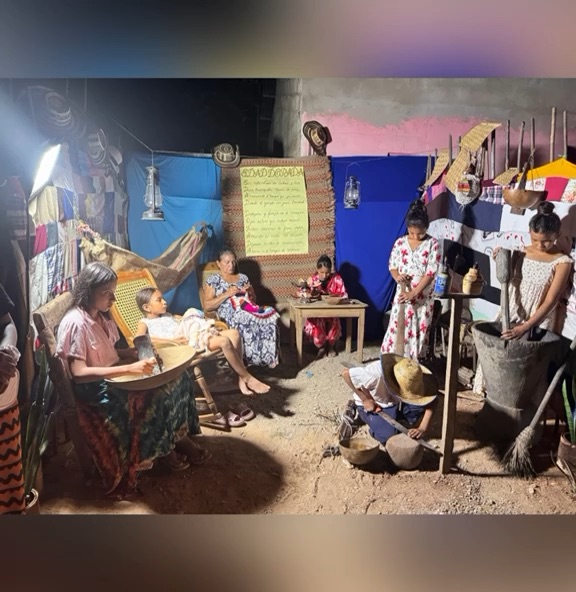
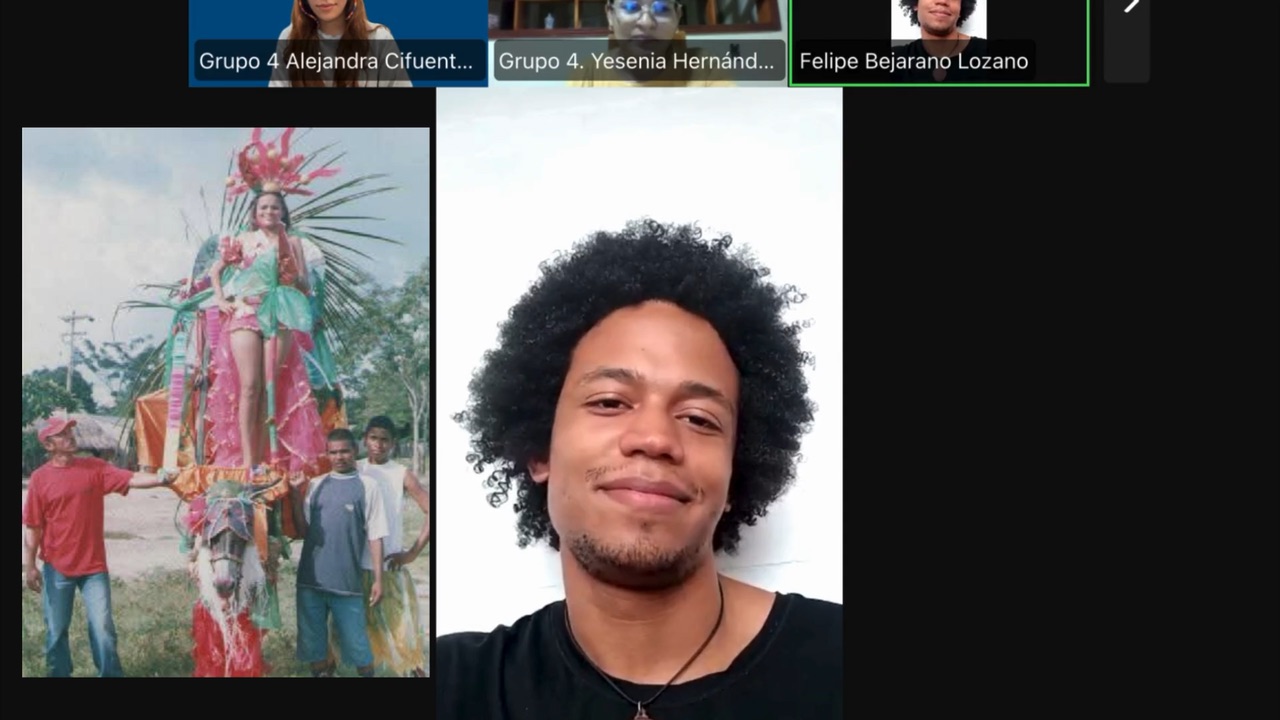
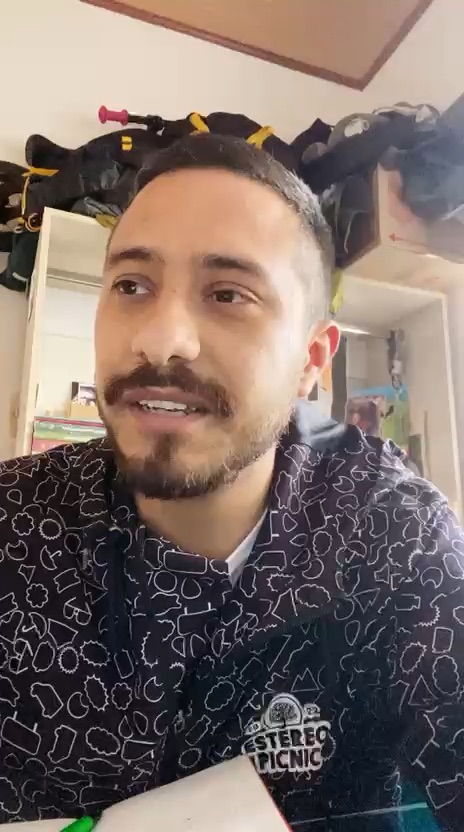
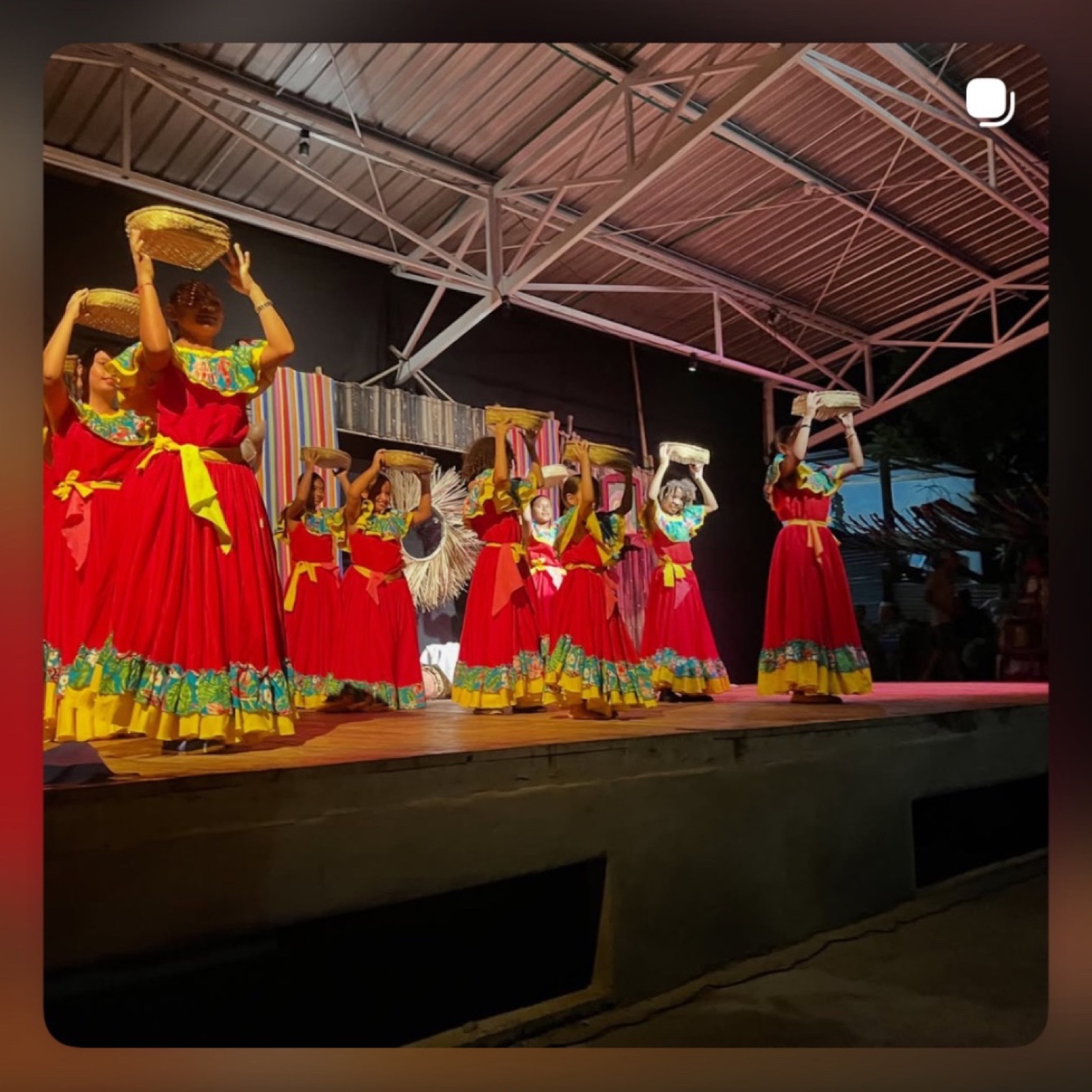
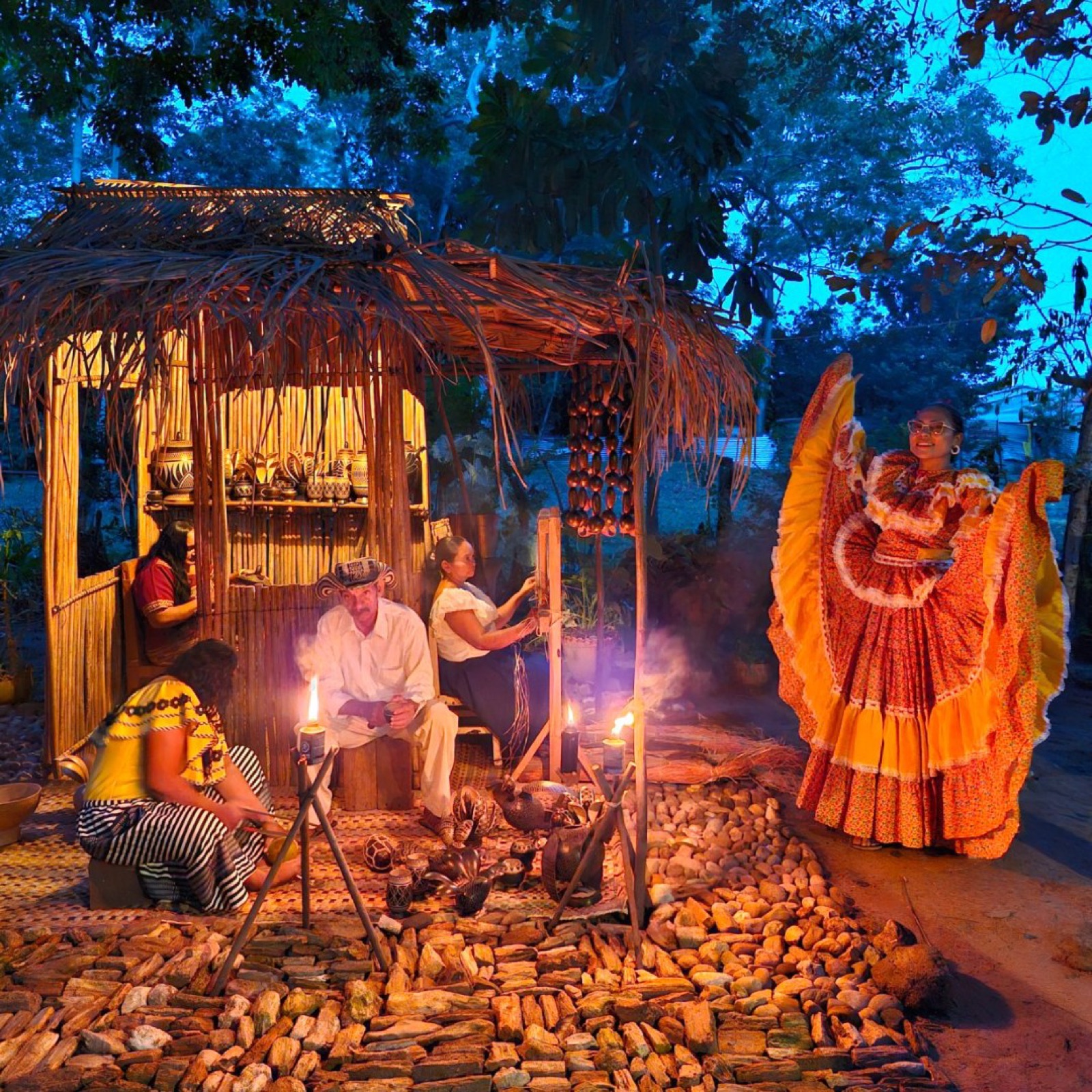
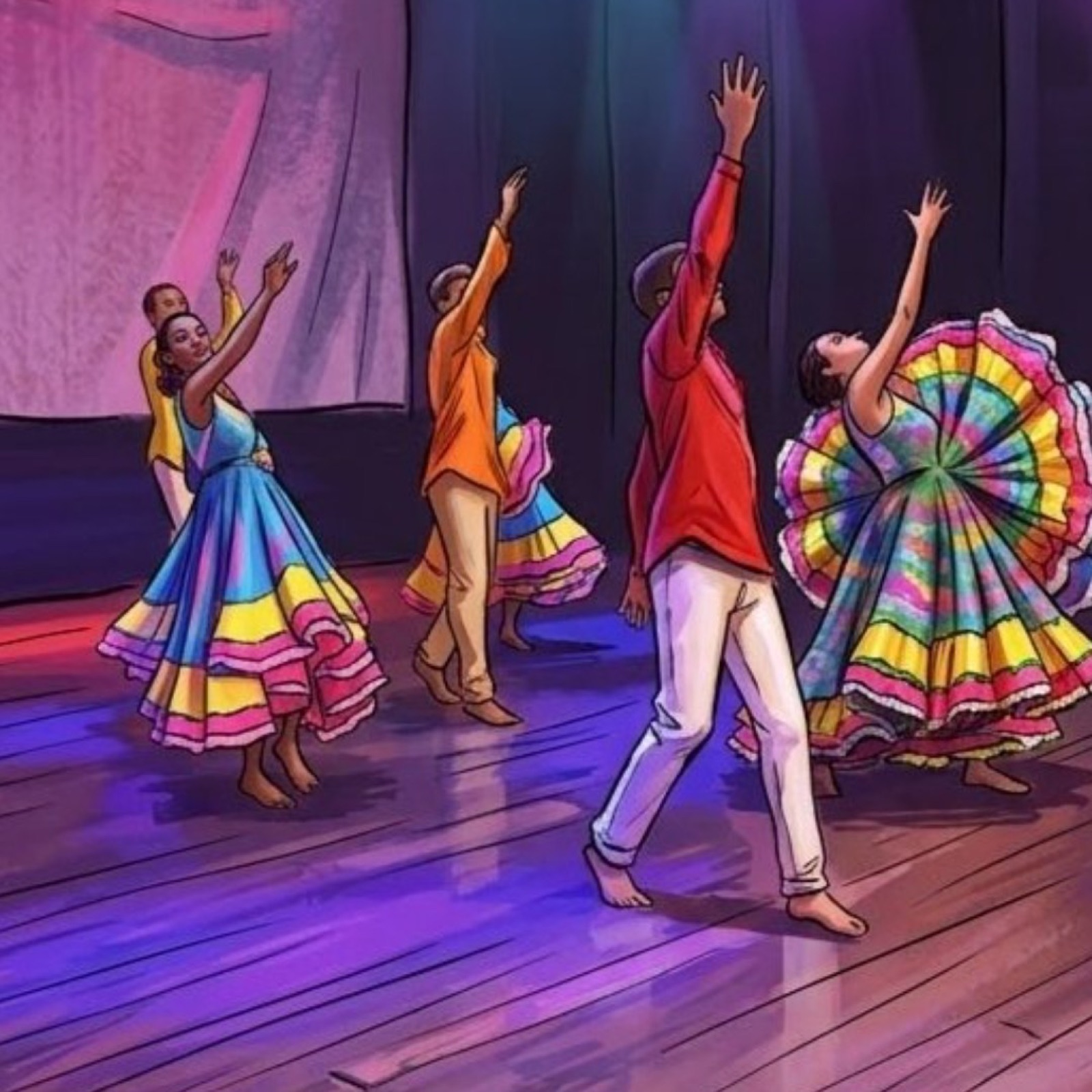
Voces de un encuentro
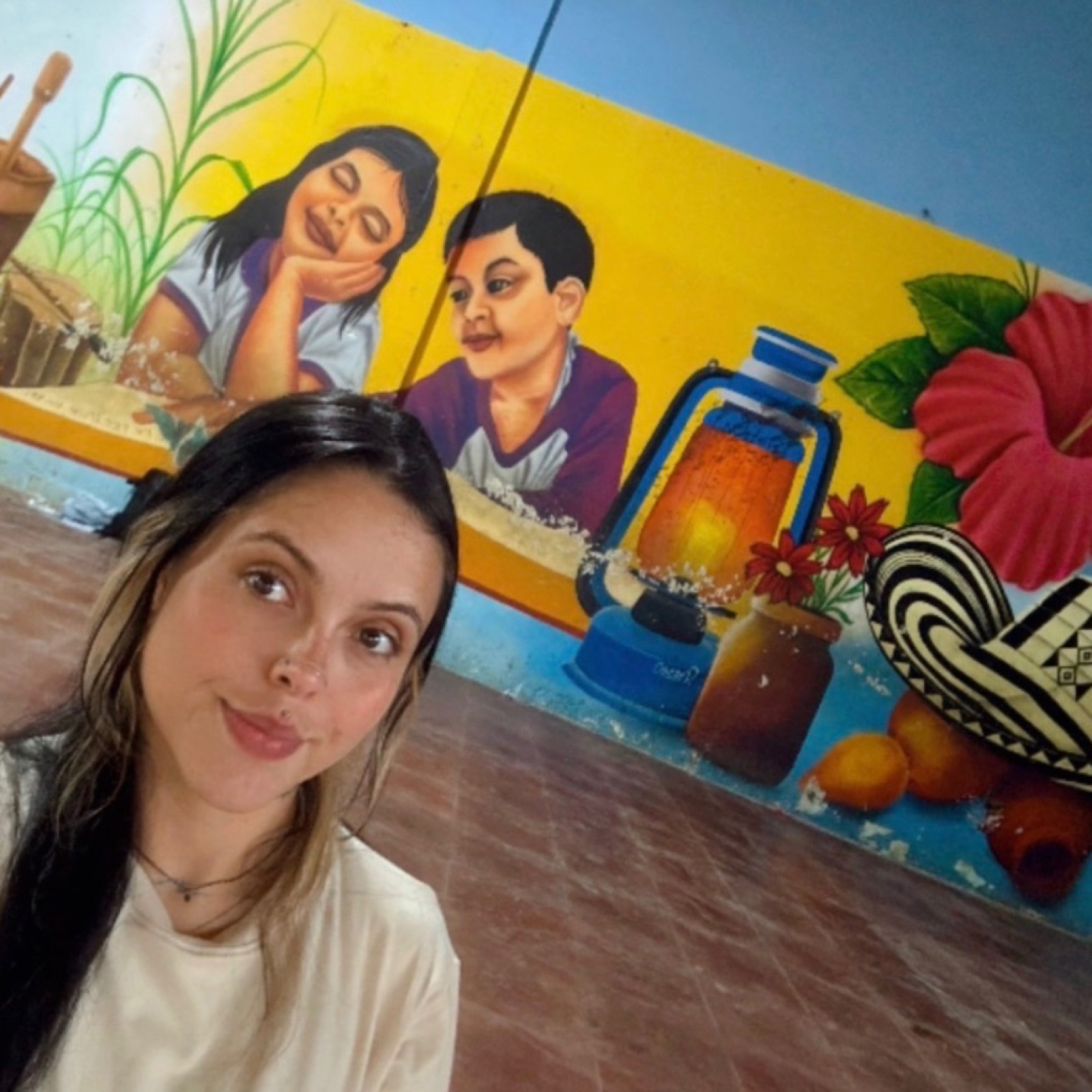
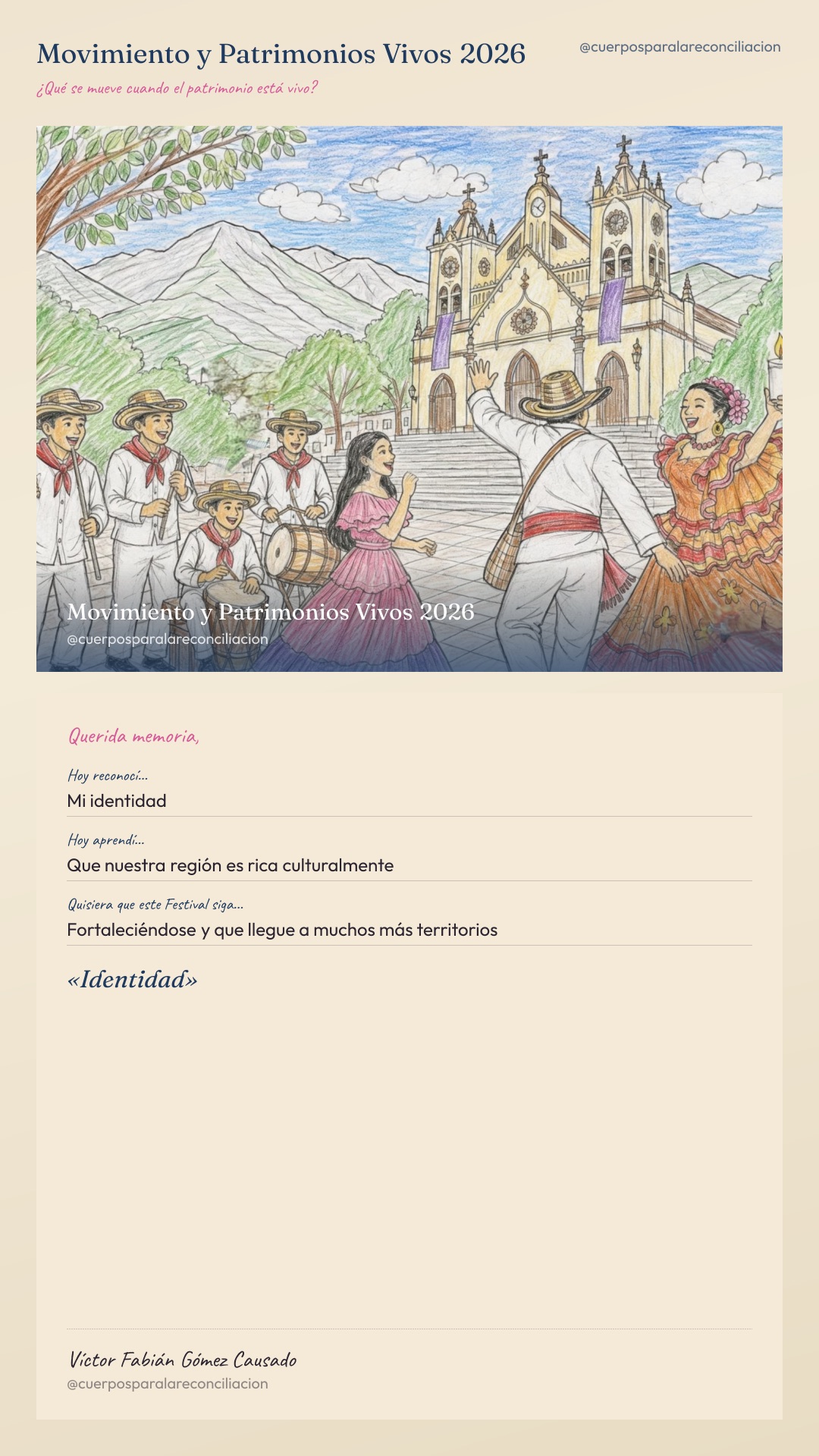
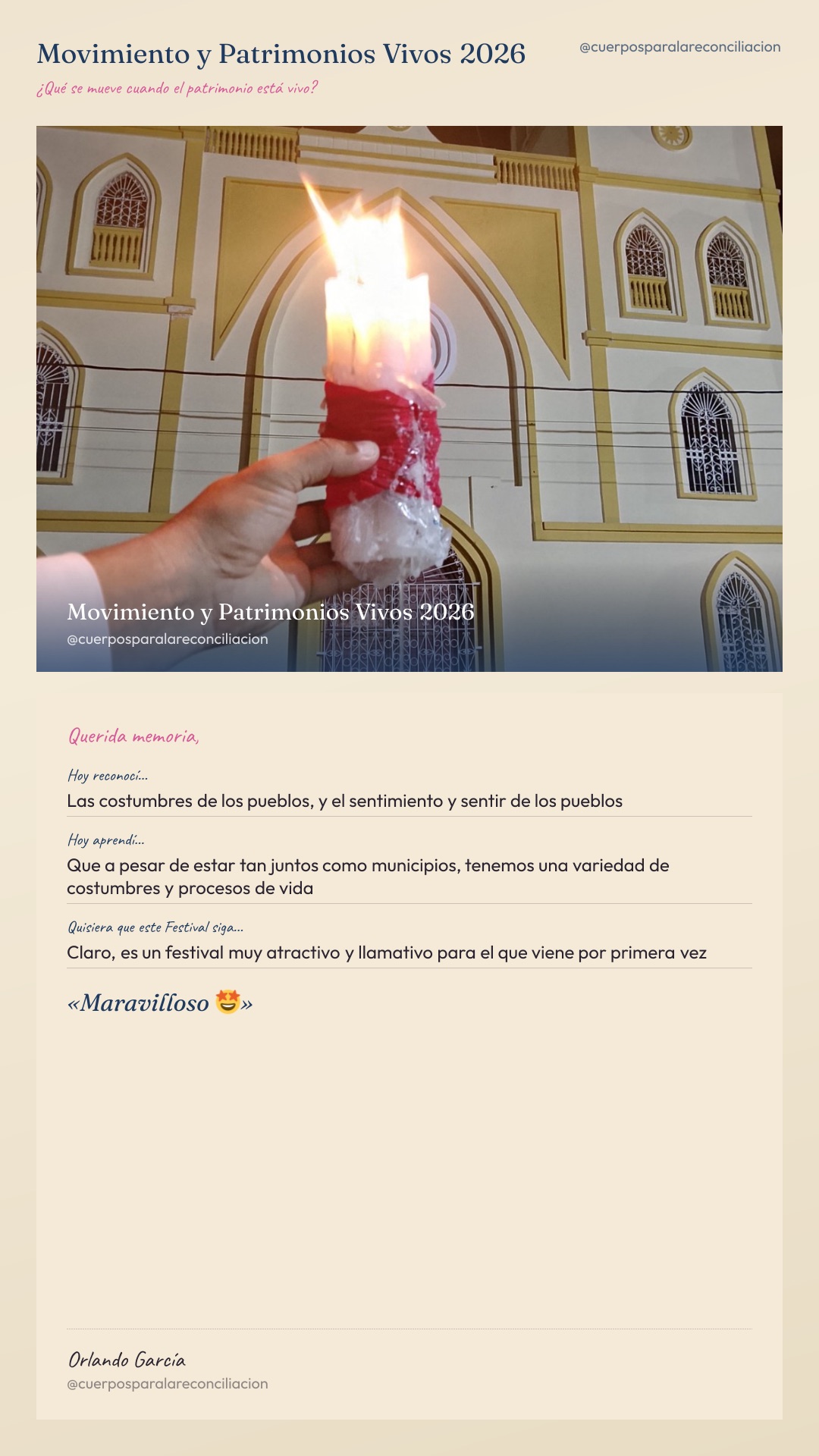
Lo que nos llevamos, lo que podemos mejorar
Explorar las obras
Sobre el proceso
El Diplomado en Formación de Formadores en Patrimonio Vivo, Cuerpo y Construcción de Paz busca fortalecer las capacidades pedagógicas, interculturales y de gestión cultural de artistas, docentes, gestores, sabedores y líderes comunitarios. Su propuesta integra el cuerpo como herramienta pedagógica, el diálogo de saberes, la lectura del territorio y la formulación de iniciativas para la salvaguardia del patrimonio vivo y la construcción de paz.
Con una intensidad de 120 horas y una metodología teórico-práctica, el proceso combina encuentros virtuales, actividades corporales y creativas, investigación, trabajo colaborativo y aplicación territorial. Cada experiencia aporta a una ruta común: reconocer, sentir, documentar, mediar, cuidar y proyectar el patrimonio vivo.
- Reconocer
- Sentir
- Documentar
- Mediar
- Cuidar
- Proyectar
Equipo y participantes
- Dirección y coordinación general
- Diana Teresa Gutiérrez García
- Diseño y estructuración del diplomado
- Daniela García Hernández
- Docentes
- Diana Teresa Gutiérrez y Alejandra Cifuentes
- Equipo de apoyo
- Keissy Hernández, Laura Molano, Marcela Rodríguez y Tatiana Narváez
- Realizan
- Cuerpos para la Reconciliación
Universidad Nacional Abierta y a Distancia (UNAD) - Con el apoyo de
- Ministerio de las culturas, Artes y Saberes. Convocatoria departamental y lista de interés nacional del Programa Nacional de Concertación Cultural.
Fundación Etnollano
Corporación Soy Salvaguardarte
Corporación Cultural Nuevo Sol Naciente
Conversemos
Virtual museum of the Diploma Course for Training of Trainers in Living Heritage, Body and Peacebuilding
Cuerpos para la Reconciliación (Embodying Reconciliation) + Universidad Nacional Abierta y a Distancia (UNAD)
Embodying Reconciliation
Memories, territories and knowledge for peace
Launch of the virtual museum on the occasion of the International Day of Intangible Cultural Heritage · October 2026
Six rooms gather the traces of a collective process to recognise, listen to, document and care for living heritage through the body and the territories.
Journey ↓Embodying Reconciliation: memories, territories and knowledge for peace brings together the experiences, reflections and creations developed during the Diploma Course for Training of Trainers in Living Heritage, Body and Peacebuilding, carried out by Cuerpos para la Reconciliación (Embodying Reconciliation) in partnership with the Universidad Nacional Abierta y a Distancia (UNAD).
Over 17 sessions, participants from different territories explored the body as an archive of memories, affections and knowledge; recognised living heritage as a collective construction; and developed tools for its research, safeguarding, mediation and management. The process also opened conversations about interculturality, collective rights, dialogue between forms of knowledge and ethical ways of documenting and sharing cultural expressions.
The works gathered in this exhibition —faces, collages, objects, maps, sound albums, podcasts and micro-capsules— bear witness to learning built from experience, listening and collaborative creation.
Each piece is a trace and, at the same time, an invitation: to recognise the heritage that inhabits us, to care for the memories of communities and to turn what we have learned into actions for coexistence and peace.
Begin the journey: from the face to the territory, from memory to listening, and from creation to the care of knowledge.
Suggested route
Faces that hold memory
What we keep also tells stories
Territories that speak
Memories you can see and hear
Heritage to the ear
Sharing is also caring
Voices of an encounter
What we take with us, what we can improve
Explore the works
About the process
The Diploma Course for Training of Trainers in Living Heritage, Body and Peacebuilding seeks to strengthen the pedagogical, intercultural and cultural management capacities of artists, teachers, cultural managers, knowledge bearers and community leaders. Its approach integrates the body as a pedagogical tool, dialogue between forms of knowledge, the reading of the territory and the design of initiatives for the safeguarding of living heritage and peacebuilding.
With 120 hours of work and a theoretical-practical methodology, the process combines virtual meetings, bodily and creative activities, research, collaborative work and territorial application. Each experience contributes to a common path: to recognise, feel, document, mediate, care for and project living heritage.
- Recognise
- Feel
- Document
- Mediate
- Care
- Project
Team and participants
- General direction and coordination
- Diana Teresa Gutiérrez García
- Design and structure of the diploma course
- Daniela García Hernández
- Teachers
- Diana Teresa Gutiérrez and Alejandra Cifuentes
- Support team
- Keissy Hernández, Laura Molano, Marcela Rodríguez and Tatiana Narváez
- Organised by
- Cuerpos para la Reconciliación (Embodying Reconciliation)
Universidad Nacional Abierta y a Distancia (UNAD) - With the support of
- Ministerio de las culturas, Artes y Saberes (Ministry of Cultures, Arts and Knowledge of Colombia). Departmental call and national interest list of the National Programme for Cultural Concertation (Programa Nacional de Concertación Cultural).
Fundación Etnollano
Corporación Soy Salvaguardarte
Corporación Cultural Nuevo Sol Naciente
Let's talk
Publicado el 9 de octubre de 2026